 Easy Made Eats
The Best Bariatric Seed Ritual Recipe for Sustainable Weight Loss and Hormonal Reset
Best Bariatric Seed Ritual Recipe for ultimate fat loss, digestion support, and hormone balance. A simple 28-day post-bariatric solution.

 Save
SaveIf you're looking for a sustainable, low-effort weight loss ritual after bariatric surgery, you’re in the right place. This guide covers the best bariatric seed ritual recipe, a 28-day method designed to reset your metabolism, support digestion, and balance hormones—using just four pantry seeds. This isn’t a trend; it’s a structured system rooted in real biology. From Dr. Emma’s viral approach to post-surgery success stories, this article breaks down bariatric seed cycling, how it works, why it matters, and how you can start today. Let’s reclaim your evenings with something simple, nourishing, and proven to work.
Disclaimer: I share this best bariatric seed ritual recipe as a wellness enthusiast who values evidence-based practices and references reliable health sources. This article is for informational purposes only and is not a substitute for professional medical advice. Nutrition and digestion can vary after bariatric surgery, so always consult with your healthcare provider or a registered dietitian before adding new foods or rituals to your routine. My goal is to inspire and educate with trustworthy information, while encouraging you to make choices that align with your unique health needs.
On this page
Why the Bariatric Seed Ritual Changed My Life
From Daily Bloating to Balanced Hormones—My Real Results
If you’re anything like me, you’ve probably hit that post-bariatric wall—the part no one talks about after surgery. You drop the initial pounds, follow the guidelines, but then life sneaks back in. Cravings return. Digestion feels sluggish. Hormones? Out of whack. That’s exactly where I was one late night when I stumbled onto the concept of the bariatric seed ritual.
I’d already tried most of the usual tricks: low-carb this, sugar-free that, endless protein shakes. Nothing really helped me feel balanced. My stomach might’ve been smaller, but my problems felt bigger. Then I read about seed cycling, something I’d always brushed off as too “crunchy” for real life. But what caught my attention was a testimonial from another post-bariatric patient who swore that rotating seeds helped her digestion, cut her cravings, and stabilized her mood. It wasn’t about rapid fat loss—it was about finally finding hormonal balance and staying on track long-term.
If you’re looking for more variations, explore this bariatric seed recipe for weight loss that fits any lifestyle.
That same night, I grabbed the only seeds I had in the pantry—flax and pumpkin—and blended them into my oatmeal. It wasn’t fancy, but by day three, something clicked. My bloating calmed down. My late-night snack attacks faded. And for the first time in months, my energy returned. That tiny shift was a turning point.
Since then, the bariatric seed ritual has become part of my daily routine. It’s not a fad. It’s not about perfection. It’s about consistency. This simple mix of seeds helps regulate estrogen and progesterone—two hormones that play a massive role in fat storage, cravings, and digestion, especially after bariatric surgery. The bariatric seed ritual recipe works because it’s rooted in biology, not hype. Each seed blend delivers a boost of dietary fiber, which Harvard's School of Public Health highlights as essential for gut health and long-term weight control.
If you’re tired of complicated plans or restrictive diets that leave you hungry and frustrated, this ritual might be the missing piece. Trust me—it’s easy, affordable, and actually enjoyable. You don’t need exotic superfoods or expensive powders. Just seeds, a grinder, and a plan. And if you’re wondering whether you’ll stick with it, I get it. That’s why I’m sharing every detail here—because once you try it, you won’t want to miss out on how much better life can feel.
Don’t miss this Pumpkin Seed Weight Loss Drink Recipe, another great option to support digestion and hormonal balance.

Best Bariatric Seed Ritual Recipe and Process
A simple and effective bariatric seed ritual recipe designed for hormone balance, digestion support, and sustainable fat loss. Perfect for post-bariatric recovery or anyone seeking a natural weight loss method.
By Ryan Cole
- Prep5 min
- Cook0 min
- Total5 min
- Yield28 servings
Ingredients
Instructions
- Grind each type of seed separately using a coffee grinder.
- Store ground seeds in small jars in the refrigerator to keep them fresh.
- For days 1–14: Use 1 tbsp flax + 1 tbsp pumpkin daily.
- For days 15–28: Use 1 tbsp sesame + 1 tbsp sunflower daily.
- Add the seeds to yogurt, smoothies, or oatmeal. You can also mix them into tea or water with lemon.
- Drink plenty of water throughout the day to help the seeds work effectively.
- Repeat this 28-day cycle monthly for ongoing hormonal and digestion support.
Notes
- Freshness Tip: Grind only 3–4 days' worth of seeds at a time for maximum nutrition.
- Cycle Continuously: You do not need a menstrual cycle to follow this method—use a standard 28-day rotation.
- Best Time to Consume: Take your seeds in the morning for hormonal alignment.
- Combine with Tea: Pair with bariatric seed tea for enhanced digestion support.
- Hydrate Well: Seeds absorb water and support gut motility—stay hydrated for best results.
Nutrition per 2 tbsp seed blend, estimate
- 120 calories
- 1 mg sodium
- 0 mg cholesterol
- 0 g sugar
- 9 g fat
- 1 g saturated fat
- 7 g unsaturated fat
- 0 g trans fat
- 6 g carbs
- 4 g fiber
- 4 g protein
Category: Weight Loss, Health · Method: No-Cook
What Triggered My Transformation: From Burnout to Balance—Why This Ritual Works
Let’s get real: after bariatric surgery, your body changes in ways no one fully prepares you for. Sure, your stomach is smaller, but that also means your gut flora shifts, nutrient absorption decreases, and your hormones can spiral. That’s why the bariatric seed ritual is so powerful—it helps rebalance the body from the inside out, naturally and gently.
Here’s how it works. The ritual uses seed cycling, where you rotate specific seeds based on a 28-day rhythm. For days 1 to 14, you consume ground flax and pumpkin seeds. These are rich in lignans and omega-3s, which help your body process estrogen. Estrogen dominance is a real issue post-surgery—it can trigger bloating, stubborn fat storage, and even mood swings. Flax and pumpkin support estrogen metabolism and liver detox, making your system more efficient.
Then, for days 15 to 28, you switch to sesame and sunflower seeds. This pair is packed with zinc, selenium, and plant-based fats that boost progesterone production. Progesterone isn’t just about reproductive health—it’s key for reducing cravings, improving sleep, and supporting fat metabolism. Low progesterone can lead to insulin resistance and cortisol spikes, which often cause post-bariatric weight regain. The bariatric seed ritual helps regulate these hormones in a gentle, food-based way.
This ritual is about more than just hormone support. It directly improves digestion support, too. Seeds provide soluble fiber that feeds healthy gut bacteria, something bariatric patients desperately need. They also help move waste through the intestines, reducing the constipation and sluggish digestion that’s common after surgery.
Plus, this isn’t a restrictive plan—you’re not cutting out entire food groups or living on air. The bariatric seed ritual is additive, not subtractive. You’re giving your body something it craves: nutrients it can absorb easily, fats that help you feel full, and fiber that helps you stay regular.
So why does this matter? Because long-term post-bariatric weight loss isn’t just about eating less—it’s about healing your metabolism, balancing your hormones, and working with your body, not against it. That’s exactly what this seed ritual helps you do.

Understanding the Bariatric Seed Ritual: How It Works
What Is the Bariatric Seed Trick and Why Is It Trending?
If you’re wondering why the bariatric seed ritual recipe is gaining so much attention, it’s because it’s simple and rooted in real science. The secret lies in seed cycling, a method of rotating different seeds across a 28-day cycle to support your body’s hormones. For anyone who has had bariatric surgery, this approach is especially helpful. Why? Because after surgery, your digestion slows down, your nutrient absorption changes, and your hormones often fall out of sync. That’s where our best bariatric seed ritual recipe comes in.
Here’s how it works. For the first 14 days of the cycle, you consume one tablespoon of ground flax seeds and one tablespoon of ground pumpkin seeds daily. Flax seeds are rich in lignans and omega-3 fatty acids, which help balance estrogen levels. Estrogen dominance can lead to bloating, mood swings, and stubborn weight retention. Pumpkin seeds add zinc and magnesium, which further support hormonal stability. This combination creates the first half of the bariatric seed ritual.
Then, from day 15 to day 28, you switch to sesame seeds and sunflower seeds. These are packed with selenium and plant-based fats that boost progesterone production. Progesterone is essential for reducing cravings, balancing insulin, and calming the nervous system. The bariatric seed ritual supports this phase by providing the specific nutrients your body needs at the right time.
This process isn’t just about hormones—it also aids digestion. The seeds in the bariatric seed ritual provide soluble fiber that helps clean the digestive tract and improve gut motility. After bariatric surgery, this is crucial because many people experience constipation and sluggish digestion. By using seed cycling as part of the bariatric seed ritual, you help your body function more efficiently.
The beauty of this method is that it’s gentle. There are no stimulants or fat burners involved—just whole seeds that naturally support post-bariatric weight loss. The bariatric seed ritual allows you to nourish your body, avoid extreme diets, and develop habits that actually work. It’s sustainable, affordable, and effective, especially for those focused on long-term health.

How Seed Cycling Balances Hormones Naturally (Estrogen + Progesterone)
One of the reasons the bariatric seed ritual is so popular is because it addresses two of the biggest challenges after bariatric surgery: hormonal balance and digestion. If your body isn’t digesting food properly, or if your hormones are stuck in fat-storage mode, weight loss becomes frustrating. Our bariatric seed ritual solves both problems with just four simple seeds.
Flax and pumpkin seeds—the first half of the bariatric seed ritual—are known for their digestion support benefits. Ground flax seeds act like a gentle scrub for your intestines, helping clear out waste and reduce bloating. Pumpkin seeds provide zinc and magnesium, which are essential for stomach acid production. Many post-bariatric patients suffer from low stomach acid, which leads to poor nutrient absorption. The bariatric seed ritual addresses this naturally by including these healing seeds in your daily routine.
During days 15 to 28, the recipe shifts to sesame and sunflower seeds. This part of the bariatric seed ritual is equally important because it supports sustainable fat loss. Sesame seeds are rich in calcium, which helps regulate cortisol, the stress hormone that often leads to belly fat. Sunflower seeds provide selenium and vitamin E, both of which help your body produce progesterone. When progesterone is in balance, cravings drop, sleep improves, and your metabolism works better. This is why the bariatric seed ritual is more than just a snack—it’s a tool for long-term weight management.
Unlike complicated meal plans or expensive supplements, the bariatric seed ritual recipe is easy to follow. You don’t need to count calories or restrict your favorite foods. You simply add the ground seeds to smoothies, yogurt, or oatmeal each day. Over time, the ritual builds healthy habits that stick.
By supporting digestion and hormones, the bariatric seed ritual sets the foundation for real, lasting change. It’s not about fast fixes—it’s about nourishing your body in a way that feels good and works with your post-surgery lifestyle. This is why more people are turning to the bariatric seed ritual for a smarter, sustainable approach to fat loss.
GLP-1, Satiety & Seed Synergy: What the Science Says
You’ve probably heard the buzz around GLP-1—the “satiety hormone” that’s changing the weight loss game. But what if you could activate this natural hormone response without expensive medications? That’s exactly where the best bariatric seed ritual recipe comes in. These four seeds—flax, pumpkin, sesame, and sunflower—are more than just fiber-rich superfoods. They may also help support your body’s natural GLP-1 production and extend satiety, especially for those navigating post-bariatric digestion. GLP-1, short for glucagon-like peptide-1, is a naturally occurring hormone that plays a vital role in blood sugar regulation and satiety according to Wikipedia.
Let’s break it down.
What is GLP-1, and Why Does It Matter?
GLP-1 stands for glucagon-like peptide-1. It’s a hormone secreted in your gut that plays a key role in:
- Slowing gastric emptying (you stay fuller, longer)
- Suppressing appetite and cravings
- Improving insulin sensitivity
- Supporting blood sugar regulation
In fact, many popular weight loss medications like semaglutide (Ozempic, Wegovy) and tirzepatide (Zepbound, Mounjaro) work by mimicking or enhancing GLP-1 activity.
But here’s the good news: certain foods—especially fiber-rich, nutrient-dense seeds—may help stimulate your body’s own GLP-1 release naturally.
How the Best Bariatric Seed Ritual Recipe Supports GLP-1
Each seed in the 28-day ritual offers key nutrients that synergize with GLP-1 pathways:
- Flaxseeds: High in soluble fiber (especially mucilage), which helps slow digestion and increase satiety. They also support estrogen detox, which indirectly benefits insulin balance.
- Pumpkin seeds: Rich in magnesium and zinc—two minerals that support metabolic regulation and blood sugar stability.
- Sesame seeds: Provide plant sterols and lignans that may help reduce cortisol and balance hunger hormones.
- Sunflower seeds: Loaded with selenium and vitamin E—nutrients that reduce oxidative stress and support thyroid health, which influences GLP-1 signaling.
By rotating these seeds daily based on the 28-day cycle, you're not just “adding fiber”—you’re tapping into a hormonal rhythm that promotes long-lasting fullness and reduces erratic hunger signals.
The Best Bariatric Seed Ritual Recipe (Step-by-Step)
4 Simple Ingredients That Transform Your Digestion
The beauty of our bariatric seed ritual recipe is that it’s simple and requires no special tools beyond a coffee grinder or blender. Many people think they need expensive supplements for post-bariatric weight loss, but this method proves otherwise. The ingredients are affordable, accessible, and already found in most kitchens. The best bariatric seed ritual recipe focuses on four key seeds: flax, pumpkin, sesame, and sunflower. Each plays a specific role in digestion, hormone balance, and fat metabolism. Pumpkin seeds are not only rich in magnesium and protein, but Healthline also notes their potential to reduce inflammation and support weight loss naturally.
Here’s exactly what you need for the best bariatric seed ritual recipe:
| Ingredient | Amount |
|---|---|
| Flax seeds (ground) | 2 tbsp |
| Pumpkin seeds (ground) | 2 tbsp |
| Sesame seeds (ground) | 2 tbsp |
| Sunflower seeds (ground) | 2 tbsp |
Optional add-ins: cinnamon, lemon juice, plain yogurt, or smoothie base.
Discover the 4-seed bariatric seed trick recipe for extra hormonal support and post-surgery fat loss.
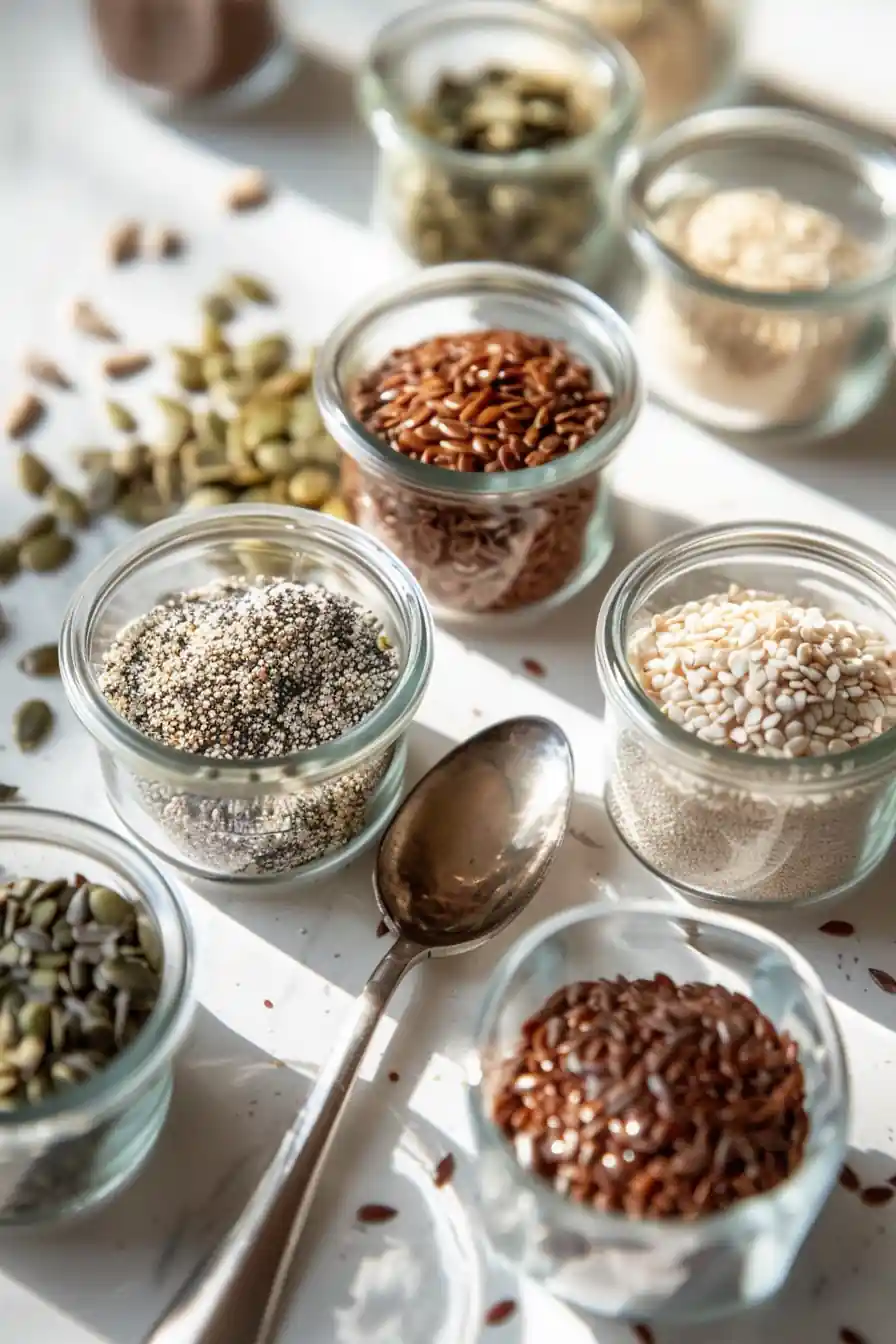
These seeds are rich in plant fats, fiber, and minerals that help regulate hormones and keep digestion moving smoothly. The bariatric seed ritual recipe is designed for easy daily use. You can stir the seeds into a smoothie, sprinkle them on oatmeal, or mix them into unsweetened yogurt. This flexibility makes our bariatric seed ritual recipe an easy addition to any routine, even on busy mornings.
What makes this method even better is that it’s customizable. You can adjust the texture by grinding the seeds finely or leaving them slightly coarse, depending on your personal digestion needs. After bariatric surgery, the digestive system changes. Many people experience slower gastric emptying or altered absorption. The best bariatric seed ritual recipe accounts for this by using ground seeds, which are easier for your body to break down and absorb.
When you’re preparing your seeds, be sure to grind only 3–4 days’ worth at a time. Freshly ground seeds retain more nutrients and prevent spoilage. Store the blends in small airtight jars in the refrigerator to keep them fresh. This step is essential to get the full benefit of the bariatric seed ritual.
By starting your day with this ritual, you’re giving your body a nutrient-packed dose of natural support. It’s a daily habit that’s easy to keep—and once you feel the difference, you won’t want to skip it.
Step-by-Step: How to Make and Use the Seed Mix Daily
Following the bariatric seed ritual recipe is straightforward, and consistency is key. Once you learn the simple steps, it becomes part of your daily rhythm. This ritual isn’t just about weight loss—it’s about creating a supportive, healing routine that works for life after surgery.
Here’s the exact step-by-step guide for the best bariatric seed ritual recipe:
- Grind the seeds separately. Use a small coffee grinder to grind flax, pumpkin, sesame, and sunflower seeds. Grinding them fresh is crucial for nutrient absorption. Whole seeds can pass through the digestive tract undigested, especially for those with reduced stomach acid post-surgery.
- Store in airtight containers. Keep your ground seeds in the refrigerator to preserve the healthy fats and minerals. Only grind enough for 3–4 days at a time to maintain freshness.
- Days 1–14: Take 1 tablespoon of ground flax seeds and 1 tablespoon of ground pumpkin seeds each day. This phase supports estrogen balance and liver detoxification, helping your body process hormones properly.
- Days 15–28: Switch to 1 tablespoon of ground sesame seeds and 1 tablespoon of ground sunflower seeds daily. This part of our bariatric seed ritual recipe supports progesterone production, which reduces cravings and supports fat metabolism.
- Add seeds to food or drinks. Mix them into smoothies, stir them into plain Greek yogurt, blend into oatmeal, or even sprinkle over salads. The bariatric seed ritual is flexible and can be adapted to any meal.
- Stay hydrated. Seeds absorb water and help move waste through the gut, which supports regular digestion. Drinking plenty of water enhances the effects of the bariatric seed ritual.
- Repeat monthly. This isn’t a one-time detox—it’s a lifestyle practice. The bariatric seed ritual is designed for ongoing support, not quick fixes.
If you're just getting started or want a quicker option with the same seed benefits, check out our simplified 4-seed bariatric trick recipe — it’s beginner-friendly and ideal for busy mornings.
Smart Prep: How to Store and Portion Seeds for Daily Use
Consistency is everything when following the best bariatric seed ritual recipe—but that doesn't mean you need to grind seeds every single day. With a little smart prep, you can save time and stay on track all month long. Here’s how to portion and store your seeds for maximum freshness and ease.
Step 1: Grind Only What You Need
Whole seeds have a long shelf life, but once ground, they start to lose nutrients quickly. To avoid this:
- Grind 3 to 4 days’ worth at a time—no more.
- Use a coffee grinder or high-speed blender.
- Clean your grinder between blends to avoid cross-contamination of seed types.
Step 2: Use the Right Containers
Ground seeds need protection from light, heat, and air. Store them in:
- Small glass jars with tight lids (dark-tinted if possible)
- BPA-free food-grade containers
- Clearly labeled jars marked “Days 1–14” and “Days 15–28”
Keep these jars in the fridge to preserve omega-3s and prevent rancidity.
Step 3: Pre-Portion for Busy Mornings
Want to make mornings effortless? Pre-portion your seed doses like this:
- Add 2 tablespoons (1 tbsp of each seed) into mini jars or weekly pill organizers
- Line up seven days at a time so you can just grab and go
- Store in the fridge next to your yogurt, lemon water, or smoothie packs
Step 4: Schedule a Weekly Prep Ritual
Set aside 10 minutes once or twice a week to:
- Grind a new batch
- Rinse and dry your jars
- Restock your weekly dose containers
Treat it like meal prep—it’s your seed ritual maintenance!
Avoid These Mistakes:
- Don’t use plastic bags for long-term seed storage—they let in air and moisture.
- Never store ground seeds at room temperature for more than a few hours.
- Avoid pre-ground seed mixes from stores—they often contain fillers and oxidized oils.
The best bariatric seed ritual recipe works best when it’s fresh, simple, and ready to go. These tiny prep steps keep your routine flowing—and your gut, hormones, and metabolism in sync.
Many people pair this ritual with other supportive routines, like detox teas or bariatric seasonings that reduce inflammation. If you combine the bariatric seed ritual with these habits, you’ll amplify your results. Over time, this simple seed practice helps reset your metabolism, heal digestion, and make sustainable fat loss a reality. For a flavorful alternative, try our bariatric seed tonic recipe, designed to complement this seed ritual.

Customize Your Bariatric Seed Routine for Results
No Menstrual Cycle? Here’s How to Use the 28-Day Method Anyway
You don’t need a menstrual cycle to benefit from the best bariatric seed ritual recipe. While the original concept of seed cycling was developed to align with the hormonal shifts of a 28-day menstrual cycle, this method works just as effectively for people who are post-menopausal, recovering from bariatric surgery, or simply experiencing irregular periods. The magic isn’t in syncing with your exact hormonal cycle—it’s in the rhythm of nourishment and consistency.
Instead of tracking ovulation or waiting for a period to begin, simply follow the standard 28-day rotation used by thousands of people worldwide. Here's how to do it:
- Days 1–14: Take 1 tablespoon of ground flax seeds + 1 tablespoon of ground pumpkin seeds daily.
- Days 15–28: Switch to 1 tablespoon of ground sunflower seeds + 1 tablespoon of ground sesame seeds daily.
This rotation mimics the natural rise and fall of estrogen and progesterone throughout a typical cycle. The flax and pumpkin combo supports estrogen metabolism and liver detoxification. Flaxseeds, known for their high lignan content, are among the most powerful hormone-balancing foods, as confirmed by this Healthline deep dive. while sunflower and sesame encourage progesterone support and reduce inflammation. For post-bariatric users, these seed phases can help replenish key nutrients like zinc, selenium, and omega-3s that are often depleted after surgery.
Don’t worry about exact start dates. Just begin your 28-day cycle on any day that works for you and repeat the cycle month after month. If you're using apps to track your habits, you can even set reminders to switch your seeds on Day 15 to keep things easy and consistent.
The most important part? Don’t stop. Even if you miss a day or two, get back on track and continue where you left off. The seed ritual isn’t about perfection—it’s about daily nourishment that gently supports your hormonal and digestive systems over time.
If you're combining this seed cycling method with other rituals—like our Zepbound natural recipe for weight loss or detox teas—continue them throughout the full 28 days. These additions can work synergistically with your seed phases to improve digestion, satiety, and hormone regulation.
Make It Stick: Consistency Is Key
One of the biggest benefits of the bariatric seed ritual is how easy it is to maintain long term. You don’t need to overhaul your life or give up your favorite foods. This ritual fits seamlessly into your daily routine, making it a smart tool for anyone focused on post-bariatric weight loss. The key is consistency—not perfection. If you miss a day, don’t stress. Just pick up where you left off. The bariatric seed ritual works best when practiced regularly, but small slip-ups won’t undo your progress.
To make the process easier, pre-portion your seeds into small glass jars or containers for the week. That way, each morning you can simply grab your mix and go. Some people like to add their seeds to morning smoothies, while others prefer stirring them into overnight oats or yogurt. Another popular option is blending the bariatric seed ritual recipe with bariatric seasonings like cinnamon or ginger for an anti-inflammatory boost.
Hydration is also important. The fiber in the seeds absorbs water and helps move waste through the digestive system, reducing bloating and supporting regularity. By staying consistent with the bariatric seed ritual, you’ll create daily habits that naturally support fat loss and digestive health. Try our chia water recipe for hydration and weight loss alongside this seed ritual to stay energized and support digestion.
For those who want a simple metabolic boost alongside the best bariatric seed ritual recipe, try this 4-ingredient natural Mounjaro recipe. It’s a classic formula designed to naturally curb appetite and support digestion without medication.
Meal Prep Ideas to Pair with the Bariatric Seed Ritual
One of the easiest ways to stay consistent with the best bariatric seed ritual recipe is to plan your meals in advance. A little prep goes a long way—especially after bariatric surgery, when portion control, nutrient timing, and digestion-friendly meals become non-negotiable. Pairing your seed ritual with the right foods not only boosts results, it also makes your routine effortless and sustainable.
The goal is to complement your daily seed blend with high-protein, fiber-rich, and anti-inflammatory meals that support satiety, gut health, and hormonal balance. Here are smart, bariatric-friendly prep ideas organized by time of day:
Breakfast Prep Ideas (Pair with Flax + Pumpkin or Sesame + Sunflower)
- Protein Overnight Oats: Stir your daily seed blend into oats made with unsweetened almond milk, Greek yogurt, and a scoop of protein powder.
- Yogurt Bowls: Pre-portion plain Greek yogurt with frozen berries, a drizzle of sugar-free maple syrup, and your ground seed combo.
- Seed Smoothie Packs: Freeze bags of spinach, banana slices, avocado cubes, and protein powder. In the morning, just blend with your seed mix and water or almond milk.
Lunch Prep Ideas
- Portion-Controlled Bowls: Combine grilled chicken or tofu with quinoa, steamed veggies, and a sprinkle of your seed blend. Store in meal prep containers.
- Soup + Seed Breadsticks: Pair pureed vegetable soups (like carrot-ginger or pumpkin-turmeric) with flaxseed crackers or homemade seed breadsticks.
Dinner Prep Tips
- Lean Proteins + Steamed Veg: Keep it simple with baked salmon, turkey meatballs, or air-fried tempeh alongside steamed greens and roasted carrots. You can sprinkle your evening meal with a touch of the sesame–sunflower blend for added texture and benefits.
- Seed-Infused Cauliflower Mash: Mash steamed cauliflower with garlic, olive oil, and your ground seeds. High in fiber, low in carbs, and easy to digest.
Bonus Storage Tips
- Pre-grind seeds for 3–4 days at a time and store in airtight glass jars in the fridge.
- Portion breakfast bowls or smoothie kits in labeled containers so you never skip a morning.
Pairing your meals with the best bariatric seed ritual recipe ensures you're not just taking seeds—you’re building an entire gut- and hormone-friendly lifestyle.
Customize Your bariatric Seed Ritual for Your Body
The bariatric seed ritual is flexible enough to work for everyone, regardless of life stage. If you’re post-bariatric, menopausal, or have irregular cycles, you can still follow the standard 28-day rotation. Use flax and pumpkin seeds for days 1–14, then switch to sesame and sunflower for days 15–28. This structure mimics the natural hormone shifts that support hormonal balance and metabolism.
Most users notice improved digestion and fewer cravings within the first few weeks. For sustainable fat loss, expect to see noticeable changes after two or three seed cycling rounds. The bariatric seed ritual isn’t about restriction—it’s about creating a lasting, nourishing habit that helps you feel better from the inside out.
You can also combine the bariatric seed ritual recipe with other health practices for faster results. Some people drink bariatric seed tea alongside their daily seeds for additional digestion support. Others pair it with mindful movement or hydration tricks like adding lemon to water. Over time, these small changes build up. Include this bariatric seed tea recipe as part of your daily routine while following the bariatric seed ritual to enhance digestion and fat metabolism. When customizing your routine, it’s useful to look at dietary strategies used globally to manage metabolic disorders, such as in this wide-reaching review of 48 countries.
Many people also like to incorporate the Brazilian Mounjaro drink recipe during bariatric seed ritual recipe. This functional drink supports appetite control and metabolism naturally, making it a smart addition to your 28-day seed cycling routine.
Make It Delicious: Smoothie, Oatmeal, Yogurt & Detox Water Variations
Let’s face it: if your bariatric seed ritual doesn’t taste good, you won’t stick with it. The secret to making the best bariatric seed ritual recipe part of your lifestyle? Flavor, texture, and convenience. The great news is that these seeds are incredibly versatile—you can stir, blend, or sprinkle them into all kinds of delicious combos without compromising your goals.
Here are tasty ways to enjoy your daily seed blend, whether you’re in Phase 1 (Flax + Pumpkin) or Phase 2 (Sesame + Sunflower):
Smoothie Variations
Seeds in smoothies? A game-changer. Blend your 2-tablespoon seed dose into:
- Gut-Healing Green Smoothie: Spinach, cucumber, lemon, chia, ginger, and your daily seeds with water or aloe juice.
- Berry Protein Shake: Frozen berries, Greek yogurt or protein powder, almond milk, flax + pumpkin or sesame + sunflower blend.
- Zepbound Combo: Add our Zepbound natural recipe for weight loss into your seed smoothie to double the satiety and boost metabolic support.
Tip: Use a high-powered blender to avoid grit and soak the seeds in water for 10 minutes beforehand for smoother texture.
Oatmeal and Yogurt Bowls
- High-Protein Oats: Cook oats with water or almond milk, then stir in protein powder and your seed mix. Top with sliced banana, cinnamon, and a few sunflower kernels for crunch.
- Yogurt Parfaits: Layer Greek yogurt, berries, and your daily seed blend in a mason jar. Add a teaspoon of chia seeds or hemp hearts for extra fiber.
Flavor ideas: Add unsweetened cocoa powder or vanilla extract for variety, or drizzle with monk fruit maple syrup for sweetness without blood sugar spikes.
Detox Water or Juice Shot Add-Ins
If you’re not into food in the morning, don’t worry—you can still take your seed blend in a quick, refreshing drink:
- Lemon-Ginger Detox Water: Mix lemon juice, grated ginger, water, and your seed blend. Shake vigorously and sip slowly.
- Pink Salt Morning Tonic: Add your seeds to our pink salt Munjaro-inspired recipe for added fiber and trace minerals.
- Apple Cider Vinegar Shot: Stir your seeds into 1 tbsp ACV + water + lemon. It’s zesty, powerful, and gut-loving.
Pro Tip: Add cinnamon, cardamom, or a drop of vanilla to your seed mixes to keep your palate engaged throughout the 28-day cycle.
To enhance hydration and boost your metabolic rhythm during the seed cycle, many people also use the powerful Himalayan pink salt trick for weight loss alongside the best bariatric seed ritual recipe, especially in the morning.
Eating for hormonal and metabolic health doesn’t have to feel like a chore. The best bariatric seed ritual recipe becomes a craveable part of your routine when you dress it up right—and stay consistent.
Best Bariatric Seed Ritual Recipe FAQs Answered
What is the bariatric seed drink?
The bariatric seed drink is a beverage that incorporates the same seeds used in the bariatric seed ritual but in liquid form. People often blend the ground seeds with water, lemon juice, or bariatric seed tea to create a digestion-friendly drink that promotes fullness and gut health. For a liquid version of the seed ritual, check out our bariatric seed drink recipe, perfect for busy mornings.
What is Dr. Emma's bariatric seed ritual?
Dr. Emma's approach to the bariatric seed ritual follows a 28-day seed cycling method. For days 1–14, you use ground flax and pumpkin seeds. For days 15–28, you switch to sesame and sunflower seeds. This structure supports hormonal balance and post-bariatric recovery.
How to eat bariatric seeds for weight loss?
The easiest way to eat bariatric seeds is by following the bariatric seed ritual. Grind flax, pumpkin, sesame, and sunflower seeds. Use the 14/14 day split, adding 1 tablespoon of each seed into smoothies, yogurt, or oatmeal daily. Staying hydrated maximizes digestion support.
What are the best bariatric seeds for weight loss?
The best seeds are flax, pumpkin, sesame, and sunflower. Each plays a unique role in the bariatric seed ritual, helping regulate hormones, reduce cravings, and promote sustainable fat loss. These seeds are rich in fiber, plant fats, and essential nutrients.
Is seed cycling effective for weight loss after bariatric surgery?
Yes, the bariatric seed ritual recipe uses seed cycling to balance hormones and aid digestion after surgery. It’s a food-based way to support fat loss without stimulants, and it complements the body's natural recovery process.
Can I follow the seed ritual without a menstrual cycle?
Absolutely. The bariatric seed ritual recipe works for everyone, including people in menopause, post-bariatric stages, or with irregular cycles. Use the standard 28-day rotation to support overall hormonal balance and gut health. Women with PCOS or irregular cycles can still benefit from seed cycling, especially when paired with a hormone-supportive eating approach like the one outlined in this PCOS nutrition guide.
How long does it take to see results?
Most people notice better digestion and reduced bloating in 2–4 weeks when following the bariatric seed ritual. Sustainable fat loss usually starts after two to three full cycles of consistent practice.
Why You Should Start the Bariatric Seed Ritual Today
Our best bariatric seed ritual recipe isn’t just another diet trick—it’s a lifestyle shift that works with your body, not against it. By rotating flax, pumpkin, sesame, and sunflower seeds, you’ll support hormonal balance, improve digestion, and set the stage for real, sustainable fat loss. Unlike complicated meal plans, this ritual is easy to follow and fits into any daily routine. Whether you’re blending seeds into smoothies or stirring them into yogurt, the habit is simple but powerful. As the American Society for Metabolic and Bariatric Surgery notes, post-op patients often require more than just calorie restriction—they need hormonal and nutrient support for sustained results.
If you’ve struggled with post-bariatric plateaus, cravings, or sluggish digestion, the bariatric seed ritual gives you a way to take back control naturally. It’s not about perfection; it’s about creating a consistent, supportive routine that heals from the inside out.
Most importantly, this method is backed by science—not hype. By balancing estrogen and progesterone, feeding your gut the right nutrients, and staying consistent, you’ll feel the difference in just a few weeks. You don’t need fancy supplements or extreme restrictions. Just seeds, a simple plan, and the commitment to stick with it.
If you’re ready to break free from frustration and embrace a smarter, simpler way to support your body after surgery, the bariatric seed ritual is the place to start.
If you’re ready for a more advanced approach during your seed cycling routine, consider using our natural Mounjaro recipe for weight loss. It combines additional ingredients clinically shown to enhance fat metabolism and stabilize blood sugar, making it a powerful add-on to the best bariatric seed ritual recipe.
For more recipes follow me on Pinterest.