 Easy Made Eats
Mountain Root for Weight Loss Recipe
Discover the mountain root for weight loss recipe trusted for digestion & calm. Don’t miss this herbal ritual to support your goals.

 Save
SaveHi, I’m Ryan—the guy who once measured life in spreadsheets, until a garlic-scented stir-fry reminded me that joy belongs at the dinner table, not in endless columns. If you’re searching for a simple, grounding ritual that actually fits into busy evenings, the mountain root for weight loss recipe is it. This ancient Greek herbal tea, also called Sideritis, may calm digestion, curb cravings, and support steady weight goals—without the jitters of caffeine. In this guide, I’ll show you exactly how to brew it, when to drink it, and why this mountain root for weight loss recipe deserves a spot in your routine. Stick with me—you’ll want every detail.
On this page
- What Is Mountain Root (Sideritis)?
- Mountain Root for Weight Loss Recipe Card
- Benefits: How Mountain Root Herb May Support Weight Management
- Mountain Root for Weight Loss Recipe
- Variations, Swaps & Make-Ahead
- Tea vs. Supplement: Capsules, Powders, Tinctures
- Safety, Interactions & Who Should Avoid
- Daily Routine & Pairings
- Conclusion
What Is Mountain Root (Sideritis)?
When I first heard someone mention mountain root, I imagined a rugged, hard-to-find ingredient. In reality, it’s one of the most approachable herbs you’ll ever brew. Known scientifically as Sideritis scardica, and commonly called Greek mountain tea or shepherd’s tea, this flowering plant grows wild on rocky hillsides across Greece and the Balkans. Locals have sipped it for centuries—not for luxury, but for comfort, digestion, and steady energy.
If you’re wondering what is mountain root for weight loss, think of it as a caffeine-free herbal ally. Unlike coffee or green tea, it doesn’t jolt your nervous system. Instead, its polyphenols and flavonoids are believed to calm digestion, reduce bloating, and support gentle fat metabolism. That makes it a smart choice if you want a ritual that’s grounding rather than overstimulating.
Key Features of Mountain Root
- Caffeine-free: suitable for evenings and those avoiding stimulants.
- Flavor profile: soft, lemony, slightly earthy, with a meadow-like aroma.
- Traditional use: brewed after meals for digestion and calm.
- Modern interest: often searched as mountain root for weight loss due to its gut-soothing and satiety-supporting potential.
Common Names & Origins
| Name | Region of Use | Flavor / Notes |
|---|---|---|
| Mountain Root | US wellness trend | Marketed as herbal weight support |
| Greek Mountain Tea | Greece & Mediterranean | Lemony, mellow, often brewed warm |
| Shepherd’s Tea | Balkan villages | Rustic, associated with stamina during long walks |
| Sideritis scardica | Botanical/scientific reference | Species-rich in polyphenols, studied for metabolism |
Quick Answers
- Is mountain root the same as Greek mountain tea? Yes, they refer to the same Mediterranean herb, also known as Sideritis.
- Does mountain root contain caffeine? No. It’s naturally caffeine-free, making it safe for evenings or before bed.
So, the next time you see “mountain root herb” in a tea blend, you’ll know it’s not exotic hype—it’s a centuries-old staple with a mellow lemony taste and a reputation for balance.

Mountain Root for Weight Loss Recipe Card
Here’s the full mountain root for weight loss recipe you can brew at home. Simple, soothing, and caffeine-free—this Greek-inspired herbal tea is a daily ritual for digestion, calm, and mindful weight support. Follow the steps below to make your own cup.

Mountain Root Tea for Weight Loss Recipe
A traditional Greek herbal tea made from mountain root, naturally caffeine-free and soothing. This recipe supports digestion, calms bloating, and aids mindful weight management. Optional lemon or honey adds brightness and comfort.
By Ryan Cole
- Prep2 min
- Cook10 min
- Total12 min
- Yield1 serving
Ingredients
Instructions
- Bring filtered water to a gentle boil.
- Add dried mountain root herb and simmer uncovered for 5–7 minutes.
- Remove from heat and steep another 3–5 minutes.
- Strain into a mug.
- Add honey, lemon, or mint if desired.
- Sip slowly, making it your mindful daily ritual.
Notes
- Skip Honey: Omit for a low-sugar version.
- Add Ginger: Include a slice for extra digestive warmth.
- Store Properly: Keep dried mountain root in an airtight jar.
- Cold Brew Option: Steep overnight in the fridge for a chilled tea.
Nutrition per 1 mug, estimate
- 5 calories
- 0 mg sodium
- 0.5 g sugar
- 0 g fat
- 1 g carbs
- 0 g protein
Category: Drinks, Wellness · Method: Stovetop
Benefits: How Mountain Root Herb May Support Weight Management
When I first added mountain root herb into my routine, I didn’t expect much more than a soothing cup of tea. But within days, I noticed less bloating and a calmer appetite—two changes that make sticking to a healthy plan feel easier. Tradition and early research point to why people turn to mountain root herb for weight loss: it’s not a quick fix, but it may support the small daily shifts that add up to results.
Here’s a breakdown of the most common mountain root herb benefits:
Potential Benefits of Mountain Root Herb
- Supports digestion: helps calm the gut and reduce meal-related discomfort.
- Reduces bloating: traditional use after heavy meals to “settle the belly.”
- May aid satiety: compounds like polyphenols and flavonoids can influence fullness signals.
- Anti-inflammatory support: calming pathways linked with water retention and weight plateaus.
- Possible AMPK activation: early evidence suggests it may stimulate AMPK, the “metabolic switch” tied to fat-burning.
- Caffeine-free calm: unlike green tea, it doesn’t cause jitters, making it suitable day or night.
Mountain Root vs. Green Tea vs. Berberine
| Herbal Support | How It Works | Best For |
|---|---|---|
| Mountain Root (Sideritis) | Gentle digestion support, anti-inflammatory, may activate AMPK | Daily ritual, caffeine-free weight management |
| Green Tea | Rich in catechins, moderate caffeine for thermogenesis | Morning boost, metabolism kickstart |
| Berberine | Plant alkaloid studied for blood sugar balance & AMPK activation | Supplement users seeking metabolic balance |
Best Time to Drink Mountain Root for Weight Loss
A common question is: what is the best time to drink weight loss tea? For many, mid-morning or after meals feels most comfortable. Mountain root herb works best when it becomes part of a consistent, mindful ritual—sipped slowly, not rushed.
Just as a quick olive oil and lemon juice shot can reset digestion, mountain root herb is valued for its ability to gently calm the system, not overwhelm it.
Mountain Root for Weight Loss Recipe
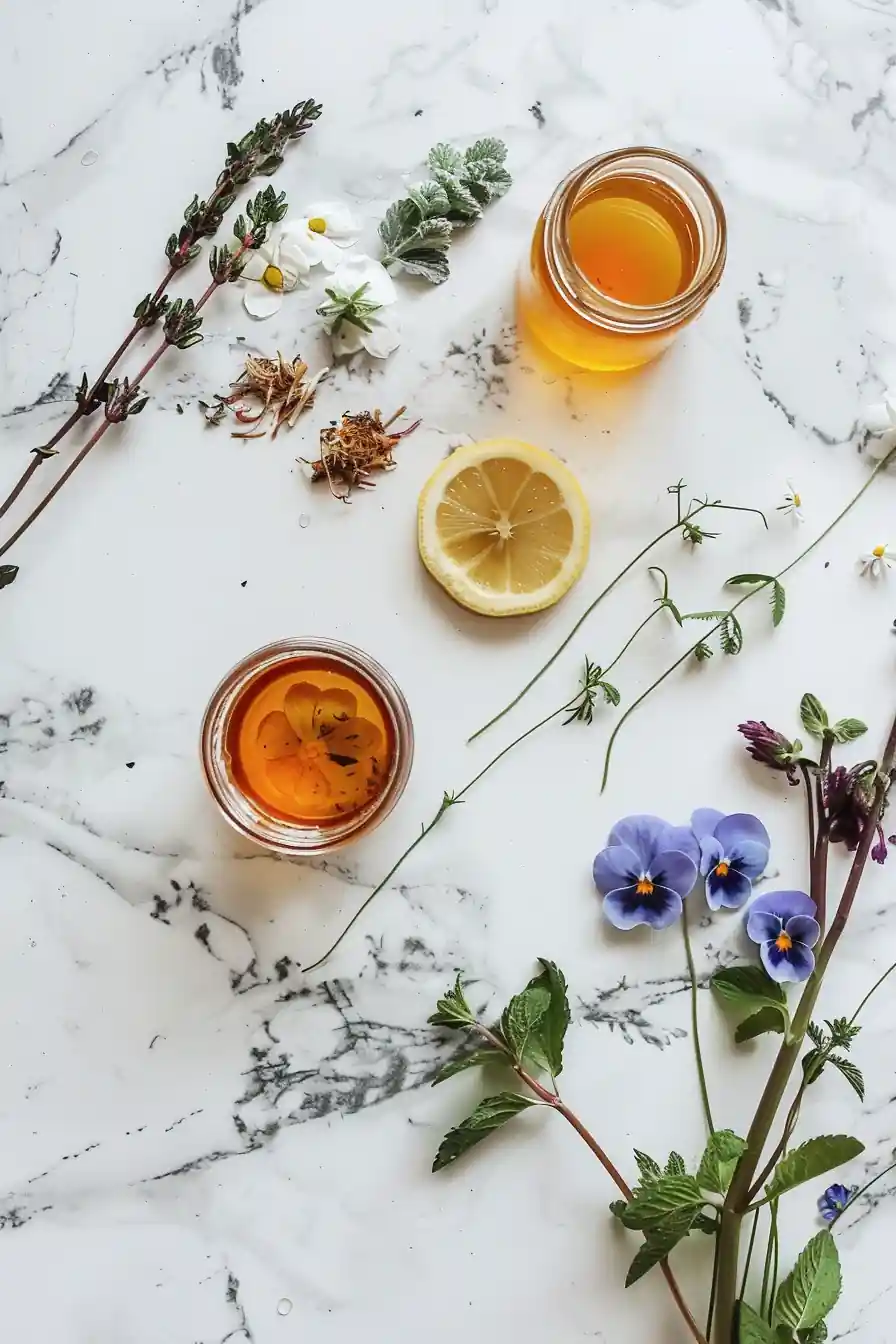
I promised you the recipe, and here it is—simple, fragrant, and grounding. This mountain root for weight loss recipe is based on the traditional Greek preparation, but with modern touches you can adapt at home. Whether you’re brewing it mid-morning or winding down at night, the ritual of steeping, straining, and sipping is as important as the tea itself.
How Often Can You Drink Mountain Root Tea?
A common question is: how often can you drink mountain root tea? Many people enjoy one cup daily. Start slow, see how your body feels, and make it part of a consistent wellness rhythm.
Ingredients & Substitutions
| Ingredient | Amount | Substitutions & Notes |
|---|---|---|
| Dried mountain root herb (Sideritis) | 1 tablespoon (whole stems, leaves & flowers) | Choose organic or quality-tested brands; key for unlocking **mountain root herb benefits** |
| Filtered water | 1½ cups | Spring water preferred for clean flavor |
| Raw honey (optional) | ½ teaspoon | Skip for low-sugar version |
| Lemon slice or fresh mint (optional) | 1 slice sprig | Adds brightness; omit if citrus triggers reflux |
Instructions
- Bring filtered water to a gentle boil.
- Add dried mountain root for weight loss tea to the saucepan.
- Simmer for 5–7 minutes, uncovered.
- Remove from heat and steep another 3–5 minutes.
- Strain into your favorite mug.
- Add honey, lemon, or mint if desired.
- Sip slowly, making it your mindful daily ritual.
Nutrition (per serving)
- Calories: 5
- Carbohydrates: 1 g
- Sugars: 0.5 g (from optional honey)
- Fat: 0 g
- Protein: 0 g
- Sodium: 0 mg
Serving Suggestions
- Morning reset with a carrot ribbon salad for crunch and hydration.
- Evening wind-down in place of caffeinated tea.
- Blend cooled tea into smoothies for a gentle herbal boost.
Variations, Swaps & Make-Ahead
One of the reasons I keep coming back to this mountain root for weight loss recipe is its flexibility. Some days I want it plain and earthy; other times I add a twist to match the mood. If you’re wondering what is mountain root used for beyond weight loss, the answer is simple: it’s a versatile base for endless herbal creations.
Variations You Can Try
- Lemon + Mint: Brightens the tea, perfect for summer afternoons.
- Ginger Slice: Adds warmth and digestive comfort after a heavy meal.
- Cinnamon Stick: Creates a cozy, spiced version for cool evenings.
- Honey-Free: Keeps sugar out for stricter meal plans.
- Cold-Brew Overnight: Steep in cold water for 8–10 hours, strain, and sip chilled.
Flavor Swaps & Their Benefits
| Variation | When to Use | Benefit |
|---|---|---|
| Lemon + Mint | Hot afternoons or evening refresh | Cooling, uplifting, aids digestion |
| Ginger | After big meals | Warms the gut, reduces heaviness |
| Cinnamon | Cool evenings | Comforting, may support blood sugar balance |
| Cold-Brew | Summer mornings | Hydrating, gentle flavor, easy to batch-prep |

Can You Prep Mountain Root Tea Ahead of Time?
Yes. Brew a larger pot, let it cool, and store it in the fridge for up to 3 days in a sealed glass jar. The flavors mellow over time, making it even smoother. This turns your tea into a ready-to-pour option, perfect for meal prep or busy mornings.
I often brew a cold version overnight and pair it with a light salad or simple lemon balm recipe for weight loss to wind down stress after long days.
Mountain root isn’t just a tea—it’s a canvas. Whether you spice it, chill it, or keep it plain, you’ll still enjoy the calm, caffeine-free foundation that makes it a steady wellness ritual.
Tea vs. Supplement: Capsules, Powders, Tinctures
Some readers love the ritual of brewing tea; others just want convenience. That’s where mountain root supplement forms come in. While the traditional tea is the heart of this ritual, supplements—like capsules, powders, and tinctures—offer portability and consistency. Let’s break down the differences so you can decide whether to sip, swallow, or scoop.
Tea vs. Supplement Comparison
| Form | Pros | Cons | Best Use |
|---|---|---|---|
| Tea (steeped herb) | Caffeine-free ritual, hydrating, calming, traditional | Takes 10–15 minutes to brew | Daily wellness habit, mindful routine |
| Capsules | Convenient, travel-friendly, standardized doses | No flavor, lacks ritual, may vary by brand quality | Busy schedules, when brewing isn’t practical |
| Powder extract | Can blend into smoothies, versatile | Taste may be bitter, sourcing matters | Meal prep, post-workout shakes |
| Tinctures | Quick absorption, easy to add to water | Often alcohol-based, strong taste | On-the-go, fast-acting use |
Mountain Root Supplement for Weight Loss
So, what is mountain root supplement for weight loss exactly? It’s essentially the concentrated form of the herb, processed into capsules, powders, or tinctures. These options don’t replace the cultural richness of the tea, but they may be appealing if you’re looking for convenience or more consistent intake.
If you’re considering supplements, pay attention to:
- Label transparency: Look for standardized extracts.
- Sourcing: Ensure it’s sustainably harvested and tested.
- Dosage guidance: Always follow product instructions, not assumptions.
Can You Take Sideritis with Berberine or Green Tea?
Yes, many wellness enthusiasts combine herbs. But interactions can occur. Both berberine and green tea target AMPK activation, similar to mountain root. To avoid overlap or unwanted effects, it’s best to check with a qualified professional before combining supplements.
For a spicier, thermogenic option, some readers enjoy clove tea, which provides a completely different kick compared to the calm approach of mountain root.
Supplements may fit busy days, but nothing replaces the grounding act of brewing.
Safety, Interactions & Who Should Avoid
As much as I love sharing this mountain root for weight loss recipe, I also want to be clear: no herb is for everyone, all the time. Mountain root (Sideritis) is generally well tolerated, but there are situations where caution makes sense.
Who Should Be Careful
- Pregnancy & nursing: Safety hasn’t been firmly established. Always check with a clinician before sipping herbal teas during this time.
- Medication interactions: Herbs can interact with meds for blood pressure, diabetes, or mood. If you’re on prescriptions, double-check.
- GERD or reflux: Citrus or mint add-ins can trigger symptoms. Stick to plain mountain root if you’re sensitive.
- Allergies: If you react to plants in the mint family (Lamiaceae), test carefully or avoid.
- Large amounts: While rare, too much may cause digestive upset. Start small.
- Poor sourcing: Some teas are adulterated. Choose organic or lab-tested brands.
Safety Checklist for Mountain Root Herb
| Potential Concern | What to Do |
|---|---|
| Pregnancy & Nursing | Consult a healthcare professional before use |
| Medication Interactions | Check compatibility with prescriptions |
| GERD / Reflux | Avoid citrus or mint add-ins; stick to plain tea |
| Allergies | Screen for mint-family herb sensitivities |
| Overuse | Stick to 1 cup per day initially |
| Quality | Buy from reputable, organic suppliers |
Is Mountain Root Safe for Pregnancy or GERD?
The truth: safety during pregnancy isn’t well studied, so it’s better to ask a qualified professional. For GERD, the plain herb itself is usually tolerated, but lemon or mint add-ins can aggravate reflux. Adjust ingredients to your comfort.
Remember, herbs are helpers—not standalones. A balanced diet matters just as much. For example, research on almonds and cardiovascular health shows how everyday foods support long-term wellness alongside teas and herbs.
Some readers also rotate with mineral-rich drinks like the pink salt and apple cider vinegar recipe to keep hydration and electrolytes in balance.
Safety isn’t about fear—it’s about feeling confident in your choices. And once you’ve checked these boxes, you’re free to enjoy mountain root as a calm, daily ritual.
Frequently Asked Questions
I’ve rounded up the questions I get asked most about mountain root herb. These short answers are designed to give you clarity without overwhelming you.
What is the 3 ingredient drink for weight loss?
A common version combines lemon juice, warm water, and apple cider vinegar. Some add honey or spices, but the base three are citrus, water, and vinegar.
What root is best for weight loss?
Roots like ginger, turmeric, and mountain root herb are often used. Each has unique compounds: ginger for thermogenesis, turmeric for inflammation, and mountain root for digestion and calm.
What is mountain root used for?
Traditionally, it’s brewed as Greek mountain tea to support digestion, ease bloating, and calm the nerves. Today, many use mountain root for weight loss support and as a caffeine-free wellness ritual.
What is the strongest herb for weight loss?
“Strongest” depends on your needs. Green tea and berberine are more studied for metabolism, while mountain root herb for weight loss is valued for its gentler, digestion-friendly support.
These FAQs highlight both tradition and modern wellness uses. For a caffeine-free yet supportive herb, mountain root for weight loss fits neatly into daily routines.
Daily Routine & Pairings
The best habits are the ones that slip into your life so easily, they stop feeling like “habits” and start feeling like comfort. That’s how I use this mountain root for weight loss recipe—not as a chore, but as a grounding daily ritual. Whether in the morning, after meals, or as a nighttime reset, it works best when you make it part of your rhythm.
How to Add Mountain Root Tea Into Your Day
- Morning reset: Brew a warm cup alongside light stretches to set a mindful tone.
- Mid-morning break: Swap coffee for mountain root when you want calm focus without caffeine.
- After meals: Sip to help ease digestion and prevent that heavy, sluggish feeling.
- Afternoon lull: Try a chilled version over ice to hydrate and curb snack cravings.
- Evening wind-down: Replace late-night snacking with tea and a few deep breaths.
Pairing Suggestions
| Pairing | Why It Works |
|---|---|
| Zepbound natural recipe for weight loss | Both recipes focus on herbal weight balance and can be rotated for variety. |
| Lemon balm recipe for weight loss | Pairs well in the evening for calming nerves and aiding restful sleep. |
| Clove tea for weight loss | A spicier, thermogenic option to alternate with the mellow mountain root. |
| Light carrot ribbon salad | Refreshing and fiber-rich; balances the warmth of the tea. |
| Pink salt and apple cider vinegar recipe | Hydration and electrolytes to complement the tea’s digestive support. |
The beauty of pairing is variety. Just like I sometimes swap tea for an olive oil and lemon juice shot to wake up my digestion, having multiple gentle rituals gives you flexibility without boredom.
Mountain root works best not as a one-off, but as part of a lifestyle—woven into moments where you pause, breathe, and savor.
Conclusion
When I first brewed mountain root, I didn’t think much of it—a rustic tea from the hills of Greece. But with each sip, it grew into something bigger: a ritual. A way to pause, reset, and keep my evenings from spiraling into rushed meals or mindless snacking. That’s why this mountain root for weight loss recipe isn’t just about calories or metabolism—it’s about reclaiming calm in a hectic world.
By now, you’ve seen how simple the herb is to prepare, how many mountain root herb benefits it offers, and how easily it fits into routines. Some days, it’s my mid-morning swap for coffee; other days, it’s my quiet evening closer. The magic isn’t in speed—it’s in consistency.
If you take one thing from this guide, let it be this: weight wellness doesn’t have to feel like a battle. It can feel like a warm cup, a mindful breath, and a moment you actually look forward to.
“Good food and good mood can coexist—even on the tightest schedule.”
So brew a cup tonight. Let it remind you that wellness isn’t always about adding more—it’s about choosing small, steady rituals that restore balance. Mountain root gives you exactly that.