 Easy Made Eats
Clove Tea Recipe That Doctors Ignore but Your Gut Craves
Struggling with bloating, stress, or stubborn fat? This clove tea recipe takes 5 minutes and could be your easiest daily win—before symptoms spike.

 Save
SaveLooking for a clove tea recipe that actually tastes good and supports your wellness goals? You’re in the right place. This gently spiced tea is warm, comforting, and packed with natural benefits—from digestive support to cold season relief. It’s quick to make, naturally caffeine-free, and easily adaptable. Whether you enjoy it hot with lemon or as a refreshing iced clove tea, the flavor is as functional as it is satisfying. With just a few basic ingredients and five minutes of your time, this guide will walk you through everything you need to create this recipe at home.
Disclaimer: I share this clove tea recipe and its potential benefits as a wellness enthusiast who values natural remedies and references trusted health sources. This article is for informational purposes only and is not a substitute for professional medical advice. Clove tea may not be suitable for everyone, especially during pregnancy, for those with certain medical conditions, or if you are taking medications. Always consult a qualified healthcare professional before adding new remedies to your routine.
On this page
- Clove Tea Recipe for Gut Health and Stress Relief
- How to Make Clove Tea under 10 Minutes
- Proven Clove Tea Benefits for Fat Loss and Inflammation
- Clove Tea Customization for Meal Prep and Flavor
- Natural Detox & Anti-Inflammatory Power of Clove Tea
- Clove Tea for Weight Loss and Portion Control
- Clove Tea vs Other Herbal Fat Burners
- How to Add Clove Tea to Your Daily Routine
- FAQ: Safe Sipping and Smart Uses for Clove Tea
- Final Thoughts: From Portion Control to Daily Ritual
Clove Tea Recipe for Gut Health and Stress Relief
From Burnout to Balance: How Clove Tea Supports Mental Focus
The first time I made this clove tea recipe, it wasn’t for flavor—it was out of pure desperation. I’d recently traded my spreadsheet life for home-cooked sanity, but the stress didn’t vanish overnight. That night, I was overtired, overstimulated, and still trying to get dinner cleaned up before tomorrow’s to-do list started screaming. I dropped a few whole cloves into hot water, tossed in a tea bag, and forgot about it until the kitchen was quiet.
One sip later, everything slowed down. The aroma? Earthy and nostalgic. The taste? Deep, warm, and oddly comforting. This wasn’t just a drink—it was a pause. Since then, this clove tea recipe has been my go-to when I need to reset. It’s simple, soothing, and just spicy enough to wake you up without the crash.
Even better? You likely already have the ingredients on hand. No fancy herbs, no obscure powders—just water, cloves, a tea bag, and maybe a bit of honey or lemon if you're feeling it. The best recipes are the ones that meet you where you are, and this one shows up, even on your most burned-out days.
Looking for a seed-based option to pair with your detox routine? This simple yet powerful bariatric seed tea recipe is packed with thermogenic benefits and supports weight loss without caffeine or harsh ingredients.

Clove Tea Recipe - Banish Bloat in 5 Minutes
This clove tea recipe is a quick, calming brew made with pantry staples like whole cloves, black tea, and honey. It's a naturally caffeine-free tea option packed with antioxidants, perfect for daily sipping or soothing stress.
By Jake Cole
- Prep5 min
- Cook5 min
- Total10 min
- Yield1 cup
Ingredients
Instructions
- Bring water to a boil in a small pot.
- Add cloves and tea bag to a teapot or mug.
- Carefully pour boiling water over the cloves and tea bag.
- Let steep 5–10 minutes depending on preferred strength.
- Strain if desired, sweeten with honey, and add lemon slice.
- Serve hot or chill for iced clove tea.
Notes
- For a caffeine-free version, omit the tea bag.
- Use clove green tea for a milder flavor.
- Spice it up with cinnamon or cardamom for a chai-like version.
- Store leftovers in the fridge for up to 3 days.
Nutrition per 1 cup, estimate
- 72 calories
- 39 mg sodium
- 0 mg cholesterol
- 17 g sugar
- 0.4 g fat
- 0.1 g saturated fat
- 0.2 g unsaturated fat
- 0 g trans fat
- 19 g carbs
- 1 g fiber
- 0.2 g protein
Category: Drinks · Method: Boiling · Cuisine: Asian
Why This Tea Deserves a Spot in Your Routine
Let’s cut to it: this isn’t just another trendy detox brew. It’s a daily drinker with real staying power. Why? Because this clove tea recipe blends ritual with function. Whether you're reaching for a cozy mug in winter or crafting a chilled version in summer, the payoff is real. Cloves are tiny powerhouses—rich in antioxidants, known for their anti-inflammatory properties, and gentle enough to sip daily.

Not only does it support digestion, but it can also help with congestion and oral health thanks to its natural antibacterial profile. Add honey, and you've got a throat-soothing combo. Add lemon, and you enhance absorption while brightening the flavor.
Tired of caffeine overload? Skip the jitters and try a caffeine-free clove tea instead. Feeling a little adventurous? Go for a spiced clove tea twist by adding cinnamon or cardamom. Prefer something milder? Clove green tea offers the same warmth with a subtler flavor and a touch of gentle caffeine. No matter your style, this clove tea recipe is a small, intentional way to nourish yourself—without any extra effort.
How to Make Clove Tea under 10 Minutes
Easy Clove Tea Brewing for Weight Management
You don’t need to be a tea expert to master this how to make clove tea guide. With just a few ingredients and five minutes of your time, you’ll have a cup that’s warming, invigorating, and easy to customize.
Here’s the base recipe:
Ingredients:
- 2½ cups water
- 3 tsp whole cloves
- 1 black tea bag
- 1 tbsp honey (or sweetener of choice)
- 1 slice of lemon (optional)
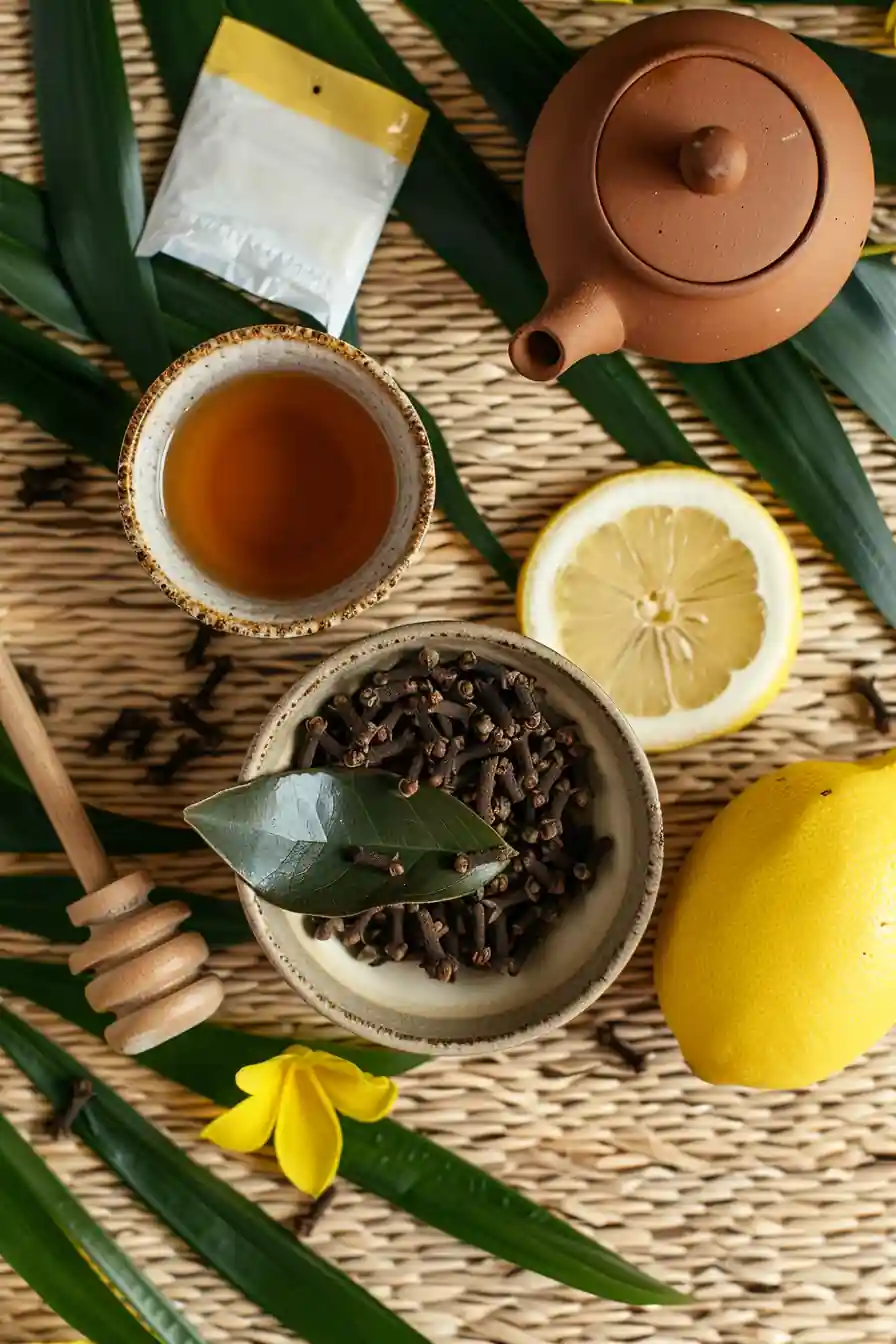
Instructions:
- Boil water in a small saucepan.
- Add the whole cloves and black tea bag to a teapot or mug.
- Pour the boiling water over the cloves and tea bag. Let steep for 5–10 minutes, depending on how strong you like it.
- Strain if needed, then sweeten with honey and add lemon to taste.
This method makes one strong cup, perfect for sipping slowly. You can easily double or triple the batch if you’d like to keep some in the fridge for iced clove tea later.
Flavorful Twists for Satiety & Craving Control
This base recipe is your starting point. Once you’ve got it down, try these tweaks to make your brew even more personalized:
- Clove green tea: Replace the black tea bag with green tea for a lighter flavor and a gentle caffeine lift.
- Caffeine-free clove tea: Skip the tea bag entirely for a pure clove infusion—great before bed.
- Spiced clove tea: Add a pinch of cinnamon, cardamom, or even fresh ginger during steeping for a deeper, chai-like warmth.
- Clove tea with honey and lemon: This classic combo adds soothing benefits for sore throats or sinus congestion.
Want it cold? Chill the strained tea and pour over ice with a slice of orange or mint sprig for a refreshing summer version.
Whether you're brewing to wind down or wake up, this method gives you the flexibility to make your clove tea exactly how you like it.
And, If you're into immune-boosting homemade remedies, don't miss this simple lemon ginger ferment recipe—a powerful probiotic blend that pairs perfectly with a cup of clove tea.
Proven Clove Tea Benefits for Fat Loss and Inflammation
Functional Superdrink: Gut Health & Fat Oxidation
Beyond its warm, spicy flavor, clove tea is a powerhouse of plant-based support. From digestion to immune strength, the health benefits of clove tea go deeper than most pantry spices can claim. Cloves are rich in eugenol, a compound known for its antioxidant and anti-inflammatory properties. One strong cup of this antioxidant-rich tea can help fight free radicals and calm inflammation in your body.
Drinking clove tea regularly may support:
- Digestive health – Clove tea is a natural carminative, meaning it can ease bloating and promote better digestion.
- Immune defense – Its antimicrobial properties make it a helpful drink during cold and flu season.
- Oral health – Clove has long been used for dental relief; sipping the tea can freshen breath and soothe sore gums.
- Joint comfort – The eugenol in cloves has shown promise in reducing inflammation and minor joint aches.
According to a scientific review on cloves, Syzygium aromaticum is rich in eugenol and other antioxidants that contribute to its anti-inflammatory, antimicrobial, and digestive benefits.

If you’re already enjoying this clove tea recipe, know that you’re doing more than just sipping a flavorful drink—you’re giving your body a daily wellness boost. That’s the beauty of simple rituals with ancient roots.
For an even deeper dive into why this spice is so powerful, check out the full guide on the benefits of drinking clove tea—it covers everything from digestion to immunity.
Safe Sipping: What You Should Know First
Like anything good, moderation matters. So let’s answer a common question: Is it OK to drink clove tea every day? Yes—if you’re using typical culinary amounts (like 2–4 whole cloves a day), you can safely enjoy a cup daily. That said, if you’re pregnant or have a medical condition, it’s always smart to check with your healthcare provider.
Another common concern: What not to mix cloves with? If you’re on blood thinners or medications that affect clotting, large quantities of clove or clove oil may interact. But a homemade cup of tea using whole cloves? Generally very safe for most people.
As noted by the Cleveland Clinic, cloves support everything from oral health to digestion, making them one of the most versatile spices for daily wellness routines.
By choosing this clove tea recipe over artificial wellness trends, you're embracing a natural way to support your body—one cup at a time.
Clove Tea Customization for Meal Prep and Flavor
Creative Add-Ins to Personalize Your Brew
Now that you’ve got the basics down, let’s turn this into a clove tea recipe that feels like yours. Think of the base as a canvas. You can keep it minimal, or play with layers of flavor to match your mood or the season.
Here are a few tried-and-true ideas:
- Citrusy brightness: Add orange peel or a splash of fresh lemon juice for a refreshing lift.
- Warm spice: Try cinnamon sticks, crushed cardamom pods, or star anise for a more spiced clove tea profile.
- Cooling herbs: Toss in fresh mint or basil for a surprising herbal twist—great for summer.
- Fruit-infused: Brew with a few dried cranberries or pomegranate seeds for subtle sweetness and color.
This is also where you can adjust sweetness. Some people love a teaspoon of honey; others go with maple syrup or skip sweeteners entirely. If you're making clove tea with honey, try local raw honey for added benefits, especially during allergy season.
If you enjoy experimenting with herbal blends, you’ll love this refreshing red clover and raspberry leaf tea recipe. It’s a gentle, fruity infusion that pairs well with clove tea in a wellness routine.
How to Store and Serve Like a Pro
Your freshly brewed clove tea recipe doesn’t have to be a one-time event. Double or triple the batch and pour leftovers into a glass jar with a tight lid. Stored in the fridge, it’ll stay good for up to 3 days.
When serving cold, pour over ice with lemon slices or mint leaves for an easy iced clove tea. It’s crisp, bold, and perfect for hot afternoons when you want something caffeine-free and refreshing. This makes an excellent make-ahead drink for guests—especially those who avoid sugary sodas or energy drinks.
Want to serve it hot again? Just reheat gently on the stove and add a fresh squeeze of lemon or a new tea bag for strength.

Whether you’re sipping solo or pouring for friends, this clove tea recipe adapts beautifully. It’s simple, but never boring.
Natural Detox & Anti-Inflammatory Power of Clove Tea
How Clove Tea Reduces Inflammation Naturally
One of the most powerful reasons to keep this clove tea recipe in your routine is its natural anti-inflammatory effect. Cloves contain a compound called eugenol, which has been shown to reduce internal swelling, particularly in the digestive system and joints. If you struggle with bloating, sluggish digestion, or chronic aches, adding a cup of clove tea daily could offer real relief—without relying on painkillers or synthetic solutions.
Many people notice a light, soothed feeling in their stomach just 15 minutes after drinking. And unlike typical herbal teas, this clove tea recipe brings bold flavor and function.
Curious how to target pain, bloating, or joint tension? Check out this step-by-step clove tea for inflammation recipe designed specifically for calming the body from within.
For a softer daily ritual, try this simple clove water recipe. It’s an easy way to enjoy cloves’ wellness properties without brewing tea. It’s gentler but still powerful. Learn how to make it and when to use it in this quick guide on clove water benefits and uses—it’s a great complement to your daily clove tea ritual.
Natural Cleansing Without Harsh Detox Products
Forget juice cleanses and overpriced powders—your body’s detox tools are already built in. You just need to support them. This clove tea recipe helps trigger your liver and digestive system to release what it doesn’t need. By improving circulation and promoting bile flow, cloves help flush out toxins gently, especially when combined with warm water and lemon.
Want a stronger effect? Add turmeric or cinnamon to boost its detox power further. Your cup becomes a ritual that resets and nourishes without overwhelming your system.
At the end of the day, this clove tea recipe isn’t just another warm drink—it’s a small but mighty shift toward healing. With five minutes and a few pantry staples, you can turn a daily tea into a long-term wellness ally.
Clove Tea for Weight Loss and Portion Control
Clove tea isn't just a cozy ritual—it’s a strategic ally in your weight management journey. With powerful bioactive compounds like eugenol and antioxidants, it can help calm appetite, stabilize digestion, and subtly support your metabolism throughout the day.
The Appetite-Suppressing Effects of Clove Tea
One of the lesser-known benefits of this clove tea recipe is its ability to reduce cravings. Thanks to the natural warming spice profile and gut-soothing effects, sipping clove tea between meals may help prevent unnecessary snacking and mindless eating.
Plus, the flavor is bold enough to feel satisfying without calories, sugar, or artificial ingredients. When combined with fiber-rich meals or a high-protein breakfast, this brew becomes a gentle appetite regulator—especially useful for those practicing intermittent fasting or portion control.
Tip: Enjoy a warm cup 20 minutes before a meal to help you feel full faster and naturally reduce your portion sizes.
How Clove Tea Supports Calorie Control and Fat Loss
Research shows that compounds in cloves may help improve insulin sensitivity and regulate lipid metabolism—two key factors in fat storage and energy use. This means the clove tea recipe you’re sipping may be doing more behind the scenes than you realize.
Drinking clove tea regularly can:
- Support digestive efficiency, reducing bloating and water retention
- Promote satiety, making it easier to stick to low-calorie or bariatric eating plans
- Boost thermogenesis, helping your body burn slightly more calories at rest
For a deeper dive into how this works and when to drink it, check out our full guide on clove tea for weight loss.
Clove Tea vs Other Herbal Fat Burners
In the world of natural weight-loss remedies, clove tea often flies under the radar—but it holds its own against more popular options like ginger, cinnamon, and turmeric tea. Understanding how it compares can help you make the best choice for your body and your goals.
How Clove Tea Stacks Up Against Cinnamon & Ginger
Cinnamon, ginger, and cloves all share warming, thermogenic properties that support digestion and fat metabolism—but each one shines differently:
- Ginger: Known for nausea relief and improving gut motility, but often too spicy for sensitive stomachs.
- Cinnamon: Balances blood sugar and cravings but can be overpowering if used daily.
- Clove: Offers anti-inflammatory, antimicrobial, and appetite-suppressant benefits—with a bold, rich flavor that’s naturally caffeine-free.
Unlike cinnamon or ginger, cloves are uniquely rich in eugenol, a compound that helps reduce gut inflammation and oxidative stress. That makes this clove tea recipe particularly helpful for people dealing with bloating, IBS, or sluggish digestion.
Synergistic Recipes: Combining Clove, Turmeric & Lemon
The best part? These spices don’t have to compete—they work better together. For an even stronger fat-burning and gut-healing blend, try adding:
- A pinch of turmeric for added anti-inflammatory power
- A few slices of fresh lemon to support detox and liver health
- A hint of cinnamon for blood sugar balance
This trifecta creates a powerhouse drink that goes beyond hydration—supporting immunity, metabolism, and satiety in every sip.
For a targeted anti-inflammatory version of this ritual, check out our easy clove tea for inflammation recipe.
How to Add Clove Tea to Your Daily Routine
Drinking clove tea isn’t just about healing—it’s about consistency. The best way to unlock its full potential is to turn this simple recipe into a daily habit. Whether you're looking to reduce inflammation, boost digestion, or gently support weight loss, regularity is key.
Morning Kickstart: Replace Coffee with Clove Tea
If your mornings start with caffeine and crashes, consider switching your first cup to clove tea. It’s naturally caffeine-free, yet the warming spices can wake up your senses without overstimulating your system.
Start your day with a hot mug of this clove tea recipe to:
- Stimulate digestion
- Calm morning bloating
- Avoid the energy spike and crash cycle of coffee
💡 Want to deepen the detox effect? Add a splash of lemon or a slice of ginger for extra gut-cleansing power.
Cloves are also packed with antioxidants that protect your cells from oxidative stress. Learn more about the benefits of cloves and why they deserve a place in your morning ritual.
Meal Prep Hack: Brew in Batches for the Week
Make life easier (and your routine more consistent) by preparing clove tea in bulk. Brew 4–5 cups, strain out the cloves, and store the tea in the fridge for up to 4 days. You can enjoy it warm or iced, morning or night.
This method:
- Saves time on busy mornings
- Supports healthy hydration all day
- Makes your clove tea habit stick
Want something even more low-effort? Try cold-infusing whole cloves overnight. For that, check out our full breakdown of clove water benefits and uses—a great beginner-friendly option.
FAQ: Safe Sipping and Smart Uses for Clove Tea
How do you make clove tea?
To make clove tea, bring 2½ cups of water to a boil. Add 3 teaspoons of whole cloves and a black tea bag to a heatproof container, then pour the hot water over them. Let steep for 5–10 minutes. Strain, then sweeten with honey and add lemon if desired. This simple clove tea recipe is easy to adjust based on flavor preference or strength.
Is it OK to drink clove tea every day?
Yes, it’s safe to drink clove tea daily in moderate amounts. One to two cups made from whole cloves is generally considered safe. If you’re using it during pregnancy or taking medications, consult your doctor first. Many people enjoy clove tea with honey regularly for its calming, digestive, and antioxidant benefits.
What not to mix cloves with?
Avoid combining large amounts of cloves with blood-thinning medications or high doses of clove oil, as it may increase bleeding risk. For regular tea, using whole cloves in moderation is safe. If unsure, keep your clove tea recipe simple and caffeine-free, or ask your healthcare provider for advice.
Is it good to boil cloves and drink the water?
Absolutely. Boiling cloves releases eugenol, the compound responsible for many of the health benefits of clove tea. This includes improved digestion, antimicrobial effects, and support for oral health. You can enjoy the strained water as-is or add lemon and honey for a more flavorful cup.
How many cloves should I put in my tea?
For a balanced and flavorful cup, use 2 to 4 whole cloves per 1 cup of water. This amount provides the signature warmth and benefits of clove tea without overpowering the taste. If you're new to the flavor or prefer a milder brew, start with 2 cloves and adjust to taste over time. Too many cloves can make the tea bitter, so it’s best to steep gently and sip-test before adding more.
Final Thoughts: From Portion Control to Daily Ritual
This clove tea recipe proves that wellness doesn’t need to be complicated. With just a few cloves, some hot water, and a couple of pantry extras, you can brew something that tastes great, supports your body, and calms your mind. Whether you prefer it as a bold winter warmer or a refreshing iced clove tea, this is a ritual worth repeating.
Let it be more than just a drink. Let it be your pause button—a reminder that good food, good mood, and good health can coexist, even on your busiest days. You’ve got one cup and fifteen minutes. Let’s make it count.
Clover isn’t just for brewing tea—you can also turn it into a sweet preserve. Try this easy white clover jelly recipe for a unique way to bring floral flavor into your kitchen.