 Easy Made Eats
Costa Rican Tea Recipe: A Tropical Tradition with Wellness Benefits
Costa Rican tea recipe with pineapple, ginger & lemongrass. Discover its wellness benefits, weight loss support & tropical ritual charm.

 Save
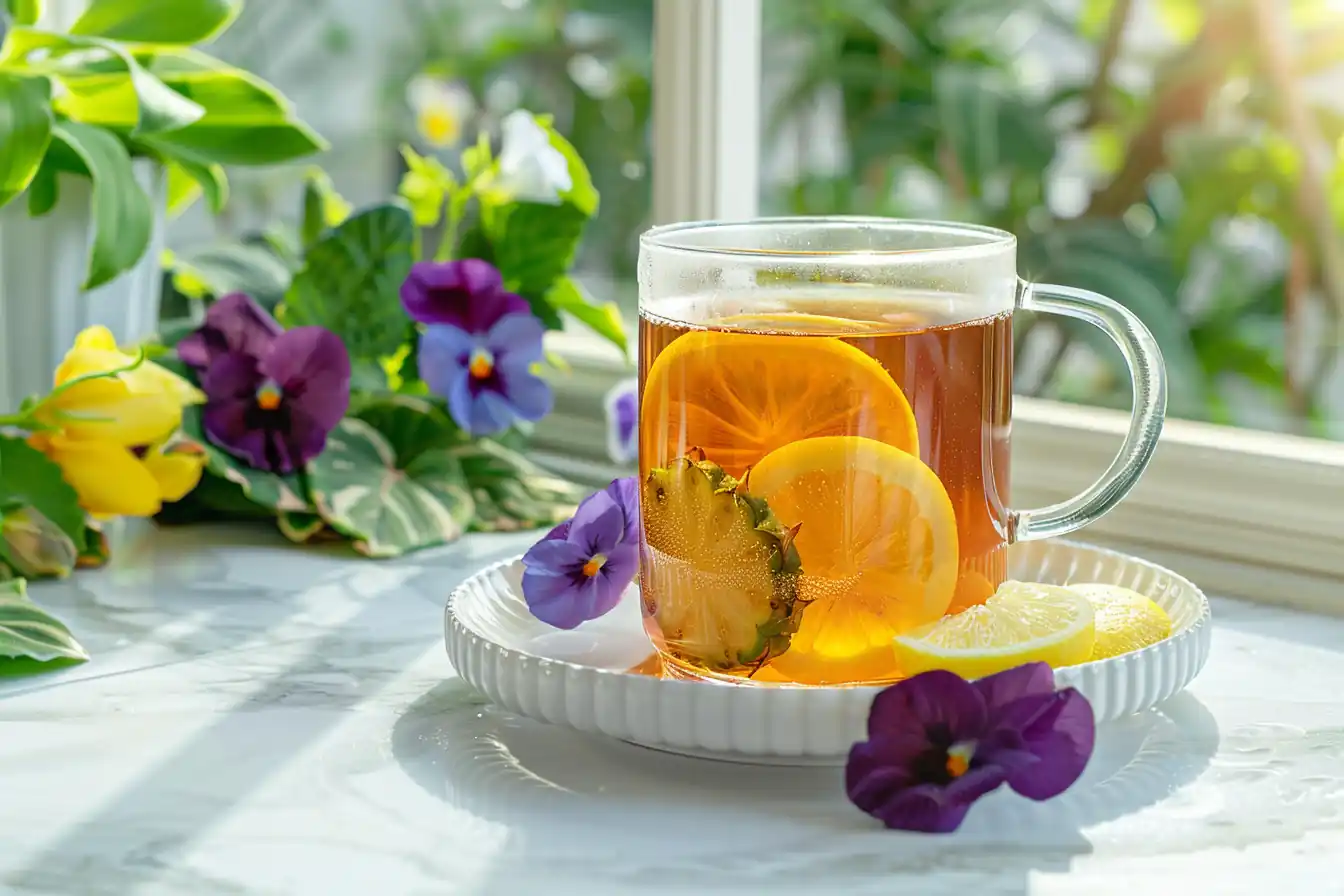
SaveI still remember the first time I stumbled on a Costa Rican tea recipe—it wasn’t in a glossy cookbook but scribbled on the back of a market receipt from a beach vendor who brewed magic in a pot. That one sip—pineapple, ginger, lemongrass—tasted like sunshine and clarity. These days, when dinner feels like a chore and decisions pile up, I reach for that same Costa Rican tea recipe. It’s not just a drink—it’s a moment. A ritual. A breath. And in case you’ve forgotten lately: you deserve that moment. Let’s reclaim it together, one cup at a time.
Disclaimer: I’m a wellness enthusiast who shares recipes like this Costa Rican tea to inspire mindful eating and healthier habits. I reference reliable research and professional sources, but this article is for informational purposes only and not medical advice. Always consult a qualified healthcare provider—especially if you are pregnant, managing a chronic condition, or recovering from bariatric surgery. Read my full medical disclaimer here.
On this page
- Why People Love This Costa Rican Tea Recipe
- Ingredients and Variations of Costa Rican Tea
- How to Make Costa Rican Tea (Step-by-Step)
- Serving Tips & Wellness Pairings
- FAQs About the Costa Rican Tea Recipe
- Meal Prep Tips & Tea as a Daily Weight-Loss Habit
- Costa Rican Tea Compared to Other Wellness Teas
- Is It Right for Your Goals? Who Should Drink This Tea?
- Conclusion – A Tropical Ritual Worth Sipping
Why People Love This Costa Rican Tea Recipe
Digestive & Fat-Burning Benefits in Every Sip
The beauty of a Costa Rican tea recipe lies in more than just its tropical taste—it’s steeped in both flavor and function. Pineapple brings bromelain, an enzyme known to support digestion and reduce inflammation. When paired with fresh ginger, a proven digestive aid and anti-inflammatory root, you get a cup that helps calm the belly and naturally relieves bloating.
Lemongrass joins the party as a mild diuretic, gently flushing excess water while delivering a citrusy herbal punch. And when sweetened with honey or tapa de dulce (raw cane sugar), this tea becomes both therapeutic and irresistibly drinkable—no chemicals, no artificial flavors.
Beyond its nutrient content, this Costa Rican tea recipe for weight loss aligns with a deeper cultural tradition. In Costa Rica, herbal infusions like this one are part of daily life. A case study on Costa Rican herbal medicine highlights how native plants and traditional recipes play an active role in wellness routines across generations. Whether for digestion, relaxation, or community bonding, these plant-based brews carry cultural significance and are far more than just beverages.
So, if you’re looking for a drink that hydrates, aids digestion, and gently supports your metabolism—this tea delivers all that with every sip.
Mindful Sipping & Weight-Loss Ritual
Let’s be honest: no herbal tea, not even the best Costa Rican tea recipe, is a quick-fix solution for fat loss. But what it can be is a sustainable ritual—a way to replace mindless snacking with mindful sipping.
Drink it warm first thing in the morning or before meals, and you’ll benefit from the thermogenic power of ingredients like ginger and, in fat-burning versions, cayenne or green tea. These components lightly increase core temperature and metabolic activity, especially when part of a consistent routine.
For many, this ritual becomes more than hydration—it’s a pause. A moment to reflect, reset, and take care of yourself. Countless reviewers on forums and marketplaces note that the Costa Rican tea recipe for weight loss reviews often mention how the practice itself curbs late-night cravings and promotes better choices throughout the day.
This isn’t just about weight—it’s about rhythm. A healthy rhythm that starts with a cup of warmth and a breath of pura vida.
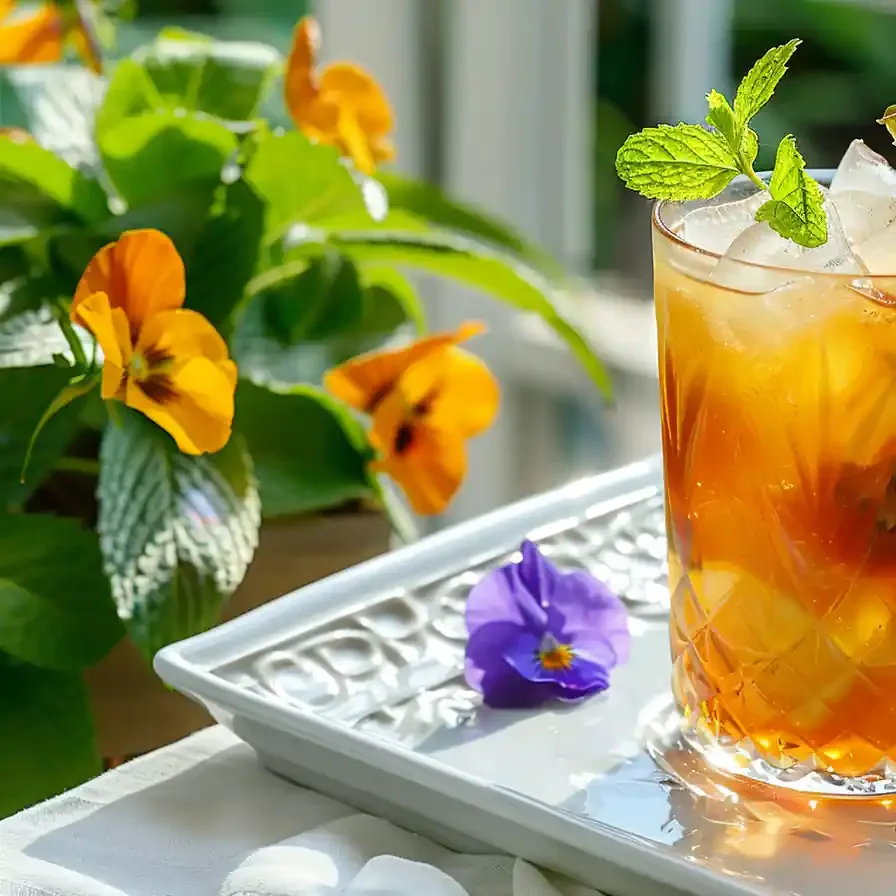
Costa Rican Tea Recipe for Weight Loss & Digestion
A naturally sweet and soothing Costa Rican tea recipe made with pineapple, ginger, lemongrass, and honey. Caffeine-free and rich in digestive and wellness benefits, this herbal tea embodies the pura vida lifestyle while gently supporting weight loss and hydration.
By Ryan Cole
- Prep10 min
- Cook15 min
- Total25 min
- Yield4 cups
Ingredients
Instructions
- Peel and chop a ripe pineapple into chunks, saving any juices.
- In a large pot, add water, pineapple, ginger, and lemongrass.
- Bring to a gentle simmer and cook for 10–15 minutes.
- Remove from heat and stir in the honey until fully dissolved.
- Strain the tea to remove solids and let it cool slightly.
- Chill in the refrigerator for at least 1 hour if serving cold.
- Serve over ice with mint or pineapple slices, or enjoy warm straight from the pot.
Notes
- Caffeine-Free: Suitable for all ages and ideal for evening relaxation.
- Flavor Twists: Add cinnamon or lime for an extra layer of flavor.
- Sweetness Control: Adjust honey amount to taste or substitute with agave or tapa de dulce.
- Meal Prep Friendly: Store in the fridge for up to 3 days; flavor deepens overnight.
- Try it Iced: Chill with pineapple ice cubes or serve over sparkling water.
Nutrition per 1 cup, estimate
- 38 calories
- 2 mg sodium
- 0 mg cholesterol
- 6 g sugar
- 0 g fat
- 0 g saturated fat
- 0 g unsaturated fat
- 0 g trans fat
- 9 g carbs
- 1 g fiber
- 0 g protein
Category: Drinks · Method: Stovetop · Cuisine: Costa Rican
Ingredients and Variations of Costa Rican Tea
Pineapple-Ginger Lemongrass: The Detox Base Blend
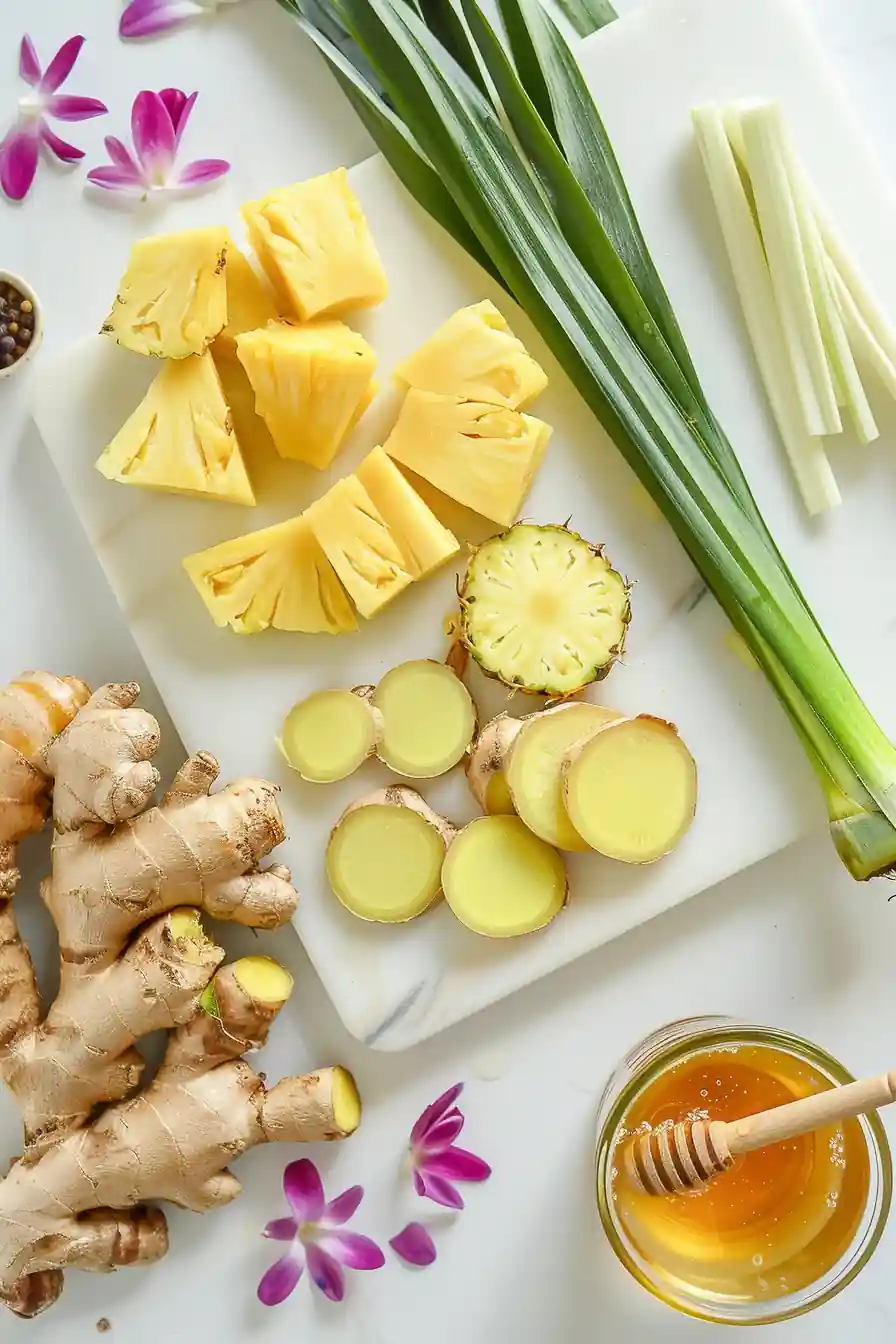
The most well-known Costa Rican tea recipe starts with just a few fresh, whole ingredients—no powders, no gimmicks. You’ll need:
- 1 ripe pineapple, peeled and chopped (including the core for maximum bromelain)
- 1-inch slice of fresh ginger root, thinly sliced
- 2 stalks of lemongrass, lightly bruised to release flavor
- 3–4 tablespoons of Costa Rican honey or tapa de dulce (unrefined cane sugar)
- 6 cups of water
Everything simmers gently on the stovetop for 10–15 minutes, transforming into a sweet, soothing herbal infusion. This version is naturally caffeine-free and rich in antioxidants, making it ideal for morning or bedtime routines. For a more structured digestion-support blend, compare this to our lemon ginger probiotic tea—another gut-loving option that pairs fermented ingredients with warming spices.
Cacao Shells, Hibiscus, and Warming Spices for Metabolism
This variation takes a more earthy, chocolate-forward direction. Traditionally made using cacao shells or nibs, this tea is both grounding and antioxidant-rich, thanks to compounds like theobromine. It’s a favorite in regions of Costa Rica where cacao farming is common.
Here’s what you’ll need:
- 2 tablespoons cacao shells or nibs
- 1-inch ginger slice
- 1 cinnamon stick
- Peel of half a lemon or orange
- Optional: pinch of cloves or star anise for added warmth
Simmer gently with 5–6 cups of water for 10–12 minutes. The result is a comforting, slightly sweet brew with mood-boosting benefits. You can serve it hot on chilly evenings or iced with a slice of lime for a tropical feel. It's also a great companion to our Moroccan mint tea if you're exploring herbal tea culture across the globe.
Fat-Burning & Portion-Control Tea Blends
For those aiming to boost fat metabolism and energy, this tea variation includes thermogenic and cleansing ingredients often found in detox blends:
- 1 tbsp apple cider vinegar (with the “mother”)
- 1/4 tsp cayenne pepper
- Juice of 1/2 lemon
- Optional: green tea bag or matcha powder
- Steeped with ginger and lemongrass for 10 minutes
This version provides a gentle kick thanks to the cayenne and lemon, both linked to metabolism stimulation. It’s best enjoyed in the morning or 30 minutes before a light meal. For similar functional teas, check out our svelte lemon ginger cinnamon tea—a fat-burning favorite for those wanting results without harsh supplements.
Herbal Relaxation Tea Infusions for Gut Health
If you’re craving something calming or aromatic, consider these additions:
- Chamomile or mint for stress relief and digestion
- Hibiscus petals (flor de Jamaica) for color and antioxidant power
- Cloves, cardamom, or star anise for depth and warmth
- Swap brown sugar for tapa de dulce if needed
These variations keep your tea caffeine-free and versatile. Whether you're winding down or serving guests, the possibilities are endless. For added digestive power, experiment with fermentation by referencing our lemon ginger ferment recipe—a probiotic-rich option that pairs beautifully with herbal brews.
Naturally Caffeine-Free with Easy Ingredient Swaps
Not all Costa Rican tea recipes are caffeine-free. If you add black tea bags or matcha to the mix, expect a noticeable lift in energy. That’s great for mornings or pre-workout rituals, but might not suit evening sipping.
Want to avoid caffeine altogether? Stick with herbal bases: ginger, lemongrass, hibiscus, or mint. Sweeteners can also be tailored—honey, agave, or raw sugar all work beautifully.
If you're exploring tea for wellness, metabolism, or post-bariatric recovery, our bariatric seed tea offers another functional brew made from everyday pantry staples with clinically supportive ingredients.
How to Make Costa Rican Tea (Step-by-Step)
Making a Costa Rican tea recipe at home is refreshingly simple, and once you do it once, you’ll want to keep a batch in the fridge year-round. Below is the classic stovetop method used in Costa Rica, followed by variations for cacao, green tea, and fat-burning blends.
Whether you’re making it for digestion, hydration, or mindfulness, the key is gentle simmering—not rapid boiling—and fresh, whole ingredients.
Step 1: Chop, Crush, and Prep with Care
Start with your base. For the traditional recipe:
- Peel and chop 1 ripe pineapple into small chunks (core included for bromelain)
- Slice 1 inch of fresh ginger into thin rounds
- Lightly crush 2 stalks of lemongrass with the back of a knife to release oils
These steps are essential for extracting flavor and nutrients. If you’re adding cinnamon sticks, cacao shells, or herbal twists, prep those now as well.
Step 2: Simmer to Unlock Antioxidant Power
In a large pot, add:
- 6 cups of water
- The chopped pineapple, ginger slices, and lemongrass
- (Optional) 1 cinnamon stick or a few cacao shells for a richer blend
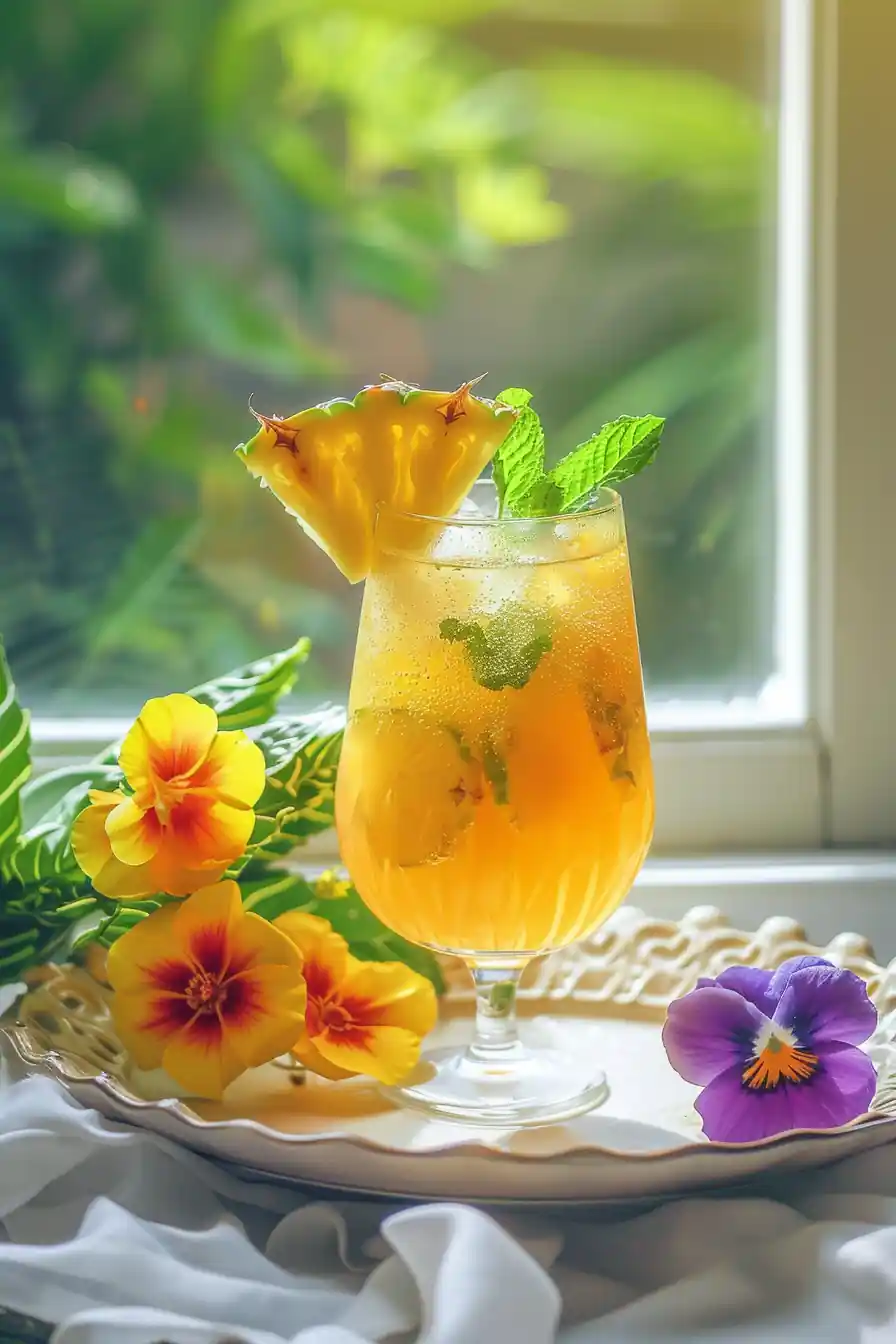
Bring to a gentle simmer, not a rolling boil. Let it infuse for 10–15 minutes, stirring occasionally. The water will turn golden and aromatic—your kitchen will smell like a wellness retreat in the tropics.
If you’re adding a black tea bag or green tea (for caffeine or weight loss variation), steep it during the final 5 minutes only. You can also compare this with our iced green tea detox recipe for a caffeine-forward alternative.
Step 3: Add Honey, Vinegar, or Boosting Ingredients
After turning off the heat:
- Stir in 3–4 tablespoons of honey or tapa de dulce until fully dissolved
- (Optional) Add 1 tablespoon of apple cider vinegar, juice of 1/2 lemon, or a pinch of cayenne for fat-burning support
You can taste and adjust here—some like it tangy and spicy, others sweeter and mellow.
Step 4: Strain, Store, and Chill to Enjoy Later
Use a fine mesh strainer to remove solids and pour the infused tea into a pitcher or jar. You now have a batch of fragrant, antioxidant-rich Costa Rican tea ready to serve:
- Hot: Pour directly into a mug, optionally garnished with a slice of pineapple or a sprig of mint
- Iced: Let cool and refrigerate at least 1 hour, then serve over ice with lemon or lime
Step 5: Make It Meal-Prep Friendly and Satiety-Supportive
Refrigerate leftovers in an airtight container for 2–3 days. The flavor often deepens overnight. You can freeze it in ice cube trays to chill future glasses without dilution, or mix with sparkling water for a fun twist.
Want to get creative with your wellness prep? Try alternating with our Korean lemon balm recipe for weight loss—another caffeine-free herbal drink that supports digestion and gentle detox.
Serving Tips & Wellness Pairings
Best Times to Drink Costa Rican Tea for Fat Loss
If you're sipping Costa Rican tea for its health benefits—weight loss, digestion, or stress relief—timing matters. Here’s how locals and wellness-focused drinkers around the world are incorporating it into their routines:
- Morning on an empty stomach: This is the most popular choice for weight loss support. Drinking warm Costa Rican tea first thing kick-starts digestion and metabolism, hydrates the body, and replaces sugary breakfast drinks.
- 30 minutes before meals: The tea’s ginger and pineapple combo can help regulate appetite and prevent overeating. This makes it a powerful tool for mindful eating.
- After meals: When served warm, it acts like a traditional digestivo, easing bloat and supporting smoother digestion.
- Evening wind-down: If you're using a caffeine-free version, it's perfect before bed. Add chamomile or mint for extra calming benefits.
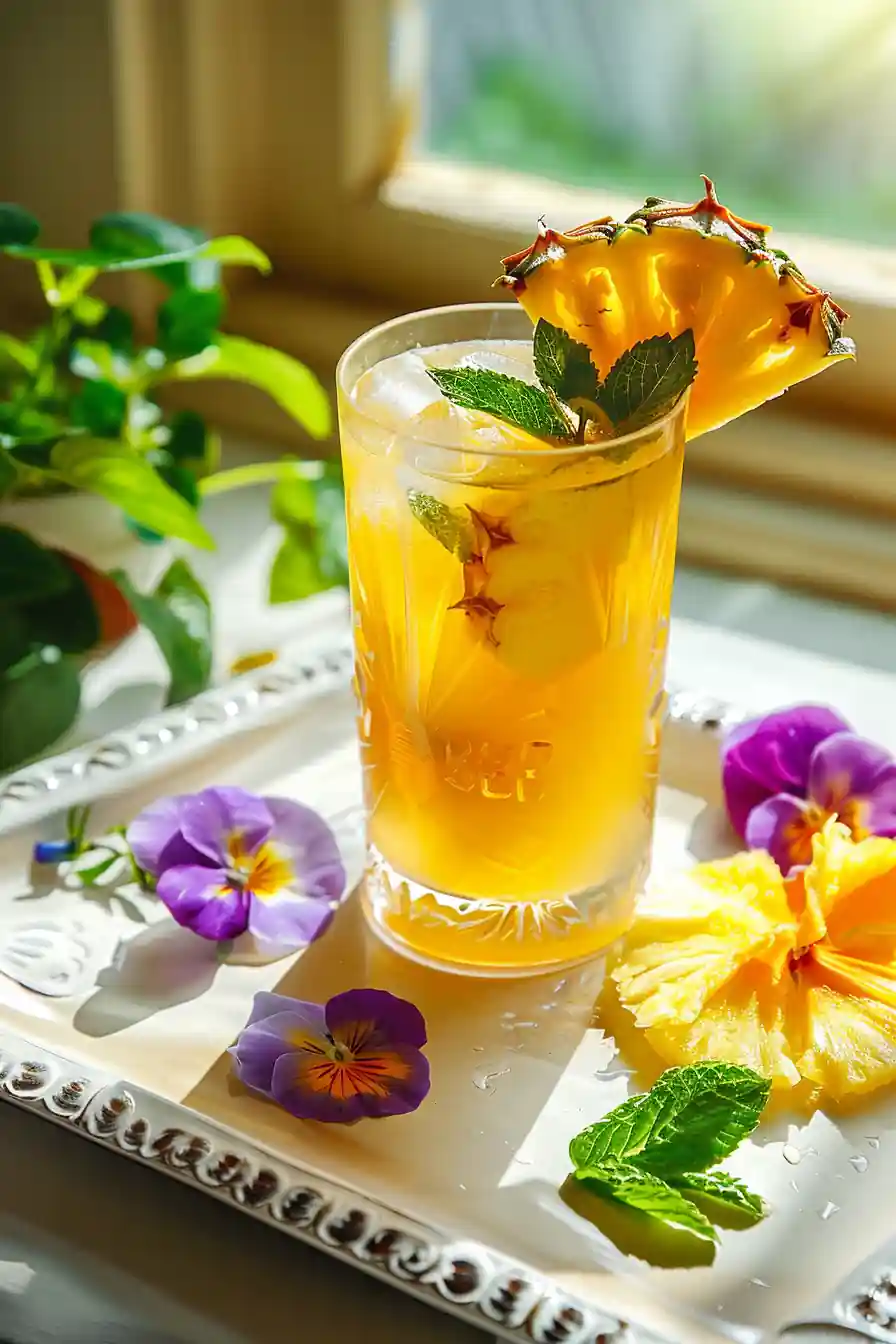
Serving the tea iced? Make it ahead and chill overnight. Add ice cubes, fresh pineapple slices, or crushed mint for a spa-like feel. For a punchy twist, try sparkling water over ice with a splash of the concentrated brew.
Cultural Touches: From Pura Vida to Gut-Friendly Pairings
Costa Rican tea is more than a wellness beverage—it’s part of a slow-living rhythm rooted in the pura vida lifestyle. Locals don’t just drink it—they pair it with meaningful moments and simple, fresh food.
Here are a few pairing ideas to elevate the experience:
- Morning tea + fresh toast with jam or banana slices
- Afternoon tea + gallos (mini corn tortillas with beans or cheese)
- Weekend treat + banana bread or coconut cookies
- Post-meal tea + a quiet sit-down, maybe with a good book or a view of your backyard
If you're crafting a tea ritual, try rotating it with other heritage-based sips like our calming Moroccan mint tea recipe or a probiotic-rich lemon ginger ferment—both great for digestion and variety.
Tea is nourishment, but it’s also pause, intention, and connection. Brew with that in mind, and every sip becomes more than flavor—it becomes care.
FAQs About the Costa Rican Tea Recipe
What is Costa Rica tea made of?
A traditional Costa Rican tea recipe is made with fresh pineapple (including the core), ginger, lemongrass, and honey or tapa de dulce (raw cane sugar). These ingredients are simmered gently to create a naturally sweet, caffeine-free herbal infusion. Some variations include cacao shells, cinnamon, hibiscus, or even green tea for added benefits like antioxidants or metabolism support.
What tea burns fat at night?
While no tea “melts” fat on its own, certain ingredients support your metabolism during rest. Herbal infusions like the Costa Rican tea recipe for weight loss often include ginger and lemongrass—both known for thermogenic effects. When enjoyed warm before bed (especially caffeine-free versions), it may help reduce late-night snacking, aid digestion, and gently support fat burning overnight.
What tea helps remove belly fat?
There’s no magic tea that targets belly fat directly, but teas that reduce bloating and improve digestion—like Costa Rican tea—can help you feel leaner. Ginger, pineapple, and cayenne (found in fat-burning versions of the tea) are known to support metabolism and relieve bloating. You might also consider pairing this with our iced green tea detox for added catechins and natural caffeine.
Do weight loss teas work?
Some herbal teas can support weight loss when combined with a healthy diet and active lifestyle. The Costa Rican tea recipe for weight loss reviews often mention reduced bloating, appetite control, and better hydration—key factors in sustainable weight loss. However, no tea replaces consistent eating habits, portion control, or movement. Think of it as a gentle support tool, not a solution on its own.
What is in Costa Rican tea?
Costa Rican tea typically contains:
-Pineapple (rich in bromelain for digestion)
-Ginger (anti-inflammatory and thermogenic)
-Lemongrass (mild diuretic)
-Honey or tapa de dulce for natural sweetness
Optional additions include cacao shells, hibiscus petals, cinnamon, green tea, cayenne, and lemon juice—each offering unique benefits. The blend is flexible and reflects Costa Rica’s culture of folk wellness and pura vida simplicity.
Meal Prep Tips & Tea as a Daily Weight-Loss Habit
Store & Batch Brew for Busy Schedules
Let’s be real—weeknight chaos is no excuse to abandon your health goals. That’s where this Costa Rican tea recipe shines. With just 25 minutes of total prep, it’s a batch brew dream for anyone juggling work, family, and fatigue. Brew a large pot at the start of the week, strain it into a glass pitcher, and store it in the fridge for up to 3 days. You'll have a metabolism-supporting, digestion-easing meal prep tea ready whenever cravings hit.
To get ahead, portion the tea into 8-ounce mason jars or portable thermos bottles. Mornings? Pour it over ice with a squeeze of lemon and dash of apple cider vinegar. Afternoons? Heat it gently for a calming sip that replaces mindless coffee runs.
If you're using the fat-burning variation with cayenne or green tea, batch brewing allows flavors to deepen over time—just strain it fully before chilling. And unlike juice cleanses or sugary teas, this herbal infusion is naturally caffeine-free, making it a safe daily habit even for those with sensitive stomachs or post-bariatric routines.
For more gut-friendly, metabolism-friendly batch options, check out this iced green tea detox recipe you can prep ahead and rotate with your Costa Rican blend.
By setting it and forgetting it, you’ll eliminate decision fatigue and keep a soothing wellness ritual at your fingertips—all week long.
Pair With Small Snacks to Reduce Overeating
Here’s a game-changer: sipping this tropical tea before meals not only soothes digestion—it helps with satiety and portion control. Thanks to the bromelain in pineapple and the warmth of ginger, it curbs snacking by satisfying your senses without spiking your appetite.
Try pairing your tea with smart, balanced snacks like:
- ½ avocado on whole grain toast
- Small bowl of berries with a spoonful of plain yogurt
- One gallo (corn tortilla snack) with black beans
- Homemade banana oat cookies with no added sugar
The goal? Stabilize blood sugar, hydrate ahead of meals, and avoid the kind of hunger that leads to overeating or late-night pantry raids.
This mindful pairing method is especially helpful for post-bariatric patients, where stomach capacity is reduced but nutrient needs remain high. It also supports those aiming to ease into intermittent fasting windows, using Costa Rican tea as a gentle, flavorful bridge.
Looking for a naturally sweet lemon-ginger option that also curbs cravings? Try this lemon ginger probiotic tea recipe for a gut boost and flavor variety.
Just one intentional pairing can change your whole day. Start with tea, end with better choices.
Costa Rican Tea Compared to Other Wellness Teas
Nutrient & Caffeine Comparison Table
In a sea of wellness teas—from matcha lattes to detox blends—what makes the Costa Rican tea recipe worth brewing? Let’s break it down.
This naturally sweet herbal tea offers a unique combination of tropical fruits, calming herbs, and zero caffeine. Below is a quick comparison of Costa Rican tea versus other common teas, focusing on calorie content, caffeine levels, and antioxidant profile.
| Tea Type | Caffeine | Calories (Unsweetened) | Antioxidants | Ideal For |
|---|---|---|---|---|
| Costa Rican Tea | Caffeine-free | ~15 (with honey) | High (bromelain, gingerol, flavonoids) | Hydration, digestion, anti-inflammatory |
| Green Tea | Mild (~25mg per cup) | 0 | Catechins, EGCG | Fat burning, metabolism, alertness |
| Black Tea | High (~40–70mg) | 0 | Theaflavins, flavonols | Focus, energy, antioxidant support |
| Hibiscus Tea | Caffeine-free | 0 | Anthocyanins, vitamin C | Blood pressure, detox, hydration |
Verdict? Costa Rican tea holds its own as a calorie-free, antioxidant-rich, and soothing daily beverage—without the caffeine spike.
Why Herbal Costa Rican Tea Is a Smarter Choice
Many teas claim to support wellness, but not all of them are designed to fit the needs of sensitive systems—especially those navigating digestive recovery, sugar sensitivity, or post-bariatric care.
Costa Rican tea stands out because it's:
- Naturally caffeine-free, ideal for evening sipping or anxiety-prone drinkers
- Made from real food-based ingredients (pineapple, ginger, lemongrass), not mystery blends
- Gentle on the stomach—especially important for those who’ve undergone bariatric surgery
- A bariatric-friendly herbal wellness tea that encourages hydration, satiety, and natural detox
If you're looking for a warm beverage that doesn’t just comfort but contributes to your goals, this is your cup.
Whether you’re trying to ditch caffeine, control appetite, or sip mindfully between meals, Costa Rican tea offers an ideal blend of flavor, wellness, and tropical ease—without compromising your health plan.
Is It Right for Your Goals? Who Should Drink This Tea?
Post-Bariatric Diets & Sensitive Stomachs
Not all teas are created with digestive recovery in mind. Many popular brews contain caffeine, acids, or processed extracts that can irritate the gut—especially for those recovering from gastric surgery, managing ulcers, or navigating IBS.
This is where the Costa Rican tea recipe becomes a quiet hero.
With gentle ingredients like pineapple (rich in bromelain), ginger, and lemongrass, this bariatric tea supports digestion without overwhelming your system. It hydrates without bloating, soothes nausea, and can be sipped slowly—making it an ideal post-op companion for bariatric patients on liquid or soft food stages.
Here’s why this tropical tea is digestive-friendly:
- Caffeine-free and low in acid—won’t spike your gut like coffee or citrusy brews
- Ginger and pineapple enzymes ease bloating, nausea, and slow digestion
- No dairy, no artificial sweeteners, and no chemical ingredients
- Option to sweeten with honey or leave unsweetened for ultra-clean sipping
Curious about other teas that soothe the gut and promote weight balance? This lemon ginger probiotic tea recipe also fits beautifully into a post-bariatric routine.
For bariatric patients especially, hydration is non-negotiable. This recipe makes it enjoyable, too.
Anti-Bloat & Anti-Sugar Craving Support
Struggling with cravings or stubborn bloating? You're not alone—and Costa Rican tea was practically designed to help.
Its blend of pineapple, ginger, and herbs does more than warm you up—it naturally supports the systems that regulate hunger and water retention. This makes it a gentle bloat relief tea with dual benefits.
Let’s break down how it helps:
- Bromelain in pineapple and gingerol in ginger both reduce inflammation and excess fluid retention
- Sipping hot tea before meals increases mindfulness and reduces overeating
- The natural sweetness (from honey or fruit alone) satisfies the palate without adding sugar spikes
- It helps retrain your taste buds if you're trying to cut processed sweets
If you’re prone to sugar cravings in the afternoon, try a warm cup of this sugar craving support tea with a cinnamon stick or lemon slice. It cues your body to slow down and helps stabilize energy before you reach for that cookie—or three.
For a more spice-forward craving buster, rotate with this svelte lemon ginger cinnamon tea that targets belly bloat and sugar highs.
Because real support doesn’t come from quick fixes—it comes from small, consistent rituals. This tea is one of them.
Conclusion – A Tropical Ritual Worth Sipping
At the end of a long day, what you pour into your cup matters more than you think. The Costa Rican tea recipe isn’t just about steeping fruit and herbs—it’s about slowing down, caring for your body, and reconnecting with something simpler. Something healing.
With its roots in Costa Rican folk traditions and its role in the pura vida lifestyle, this tea offers more than flavor—it delivers presence. From pineapple’s digestive enzymes to ginger’s warming strength, every ingredient has a purpose, and every sip is a choice to reset.
Try it warm in the morning to start your day light, or chilled over ice as a calming pause between errands. Experiment with cinnamon, hibiscus, cayenne, or cacao. Let it evolve with your needs. Let it support your health gently—without pressure or perfection.
You don’t need to overhaul your diet or count macros to feel better. Sometimes, all it takes is boiling a pot of water, reaching for real ingredients, and choosing a moment just for you. So go ahead—brew your first batch, take a sip, and breathe. You’ve got this.