 Easy Made Eats
Moroccan Mint Tea Recipe – A Sweet Ritual Steeped in Tradition
Craving real Moroccan mint tea? This 15-min recipe gives you the frothy, sweet flavor travelers can’t stop talking about. Brew the magic at home now.

 Save
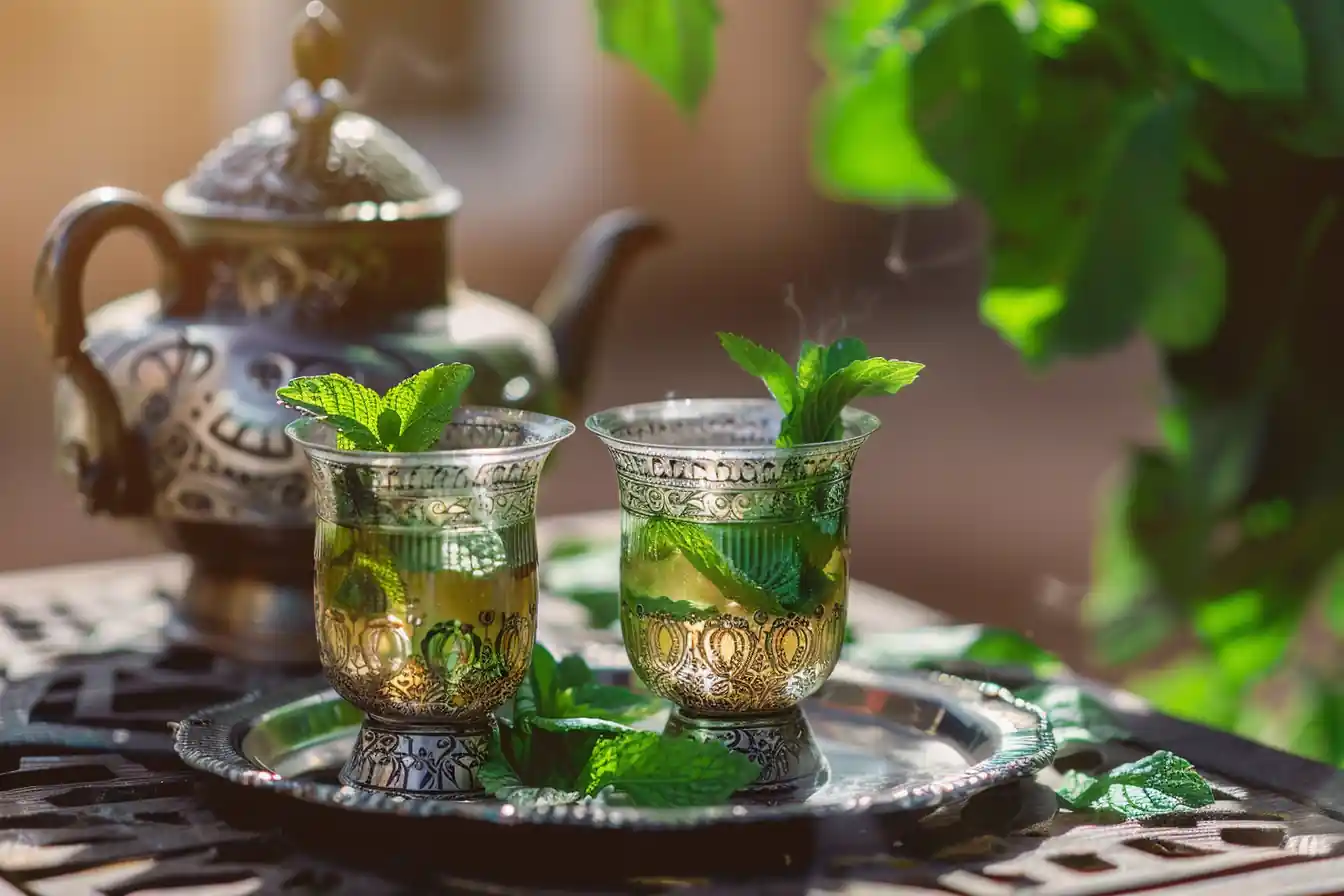
SaveFew drinks tell a story quite like Moroccan mint tea. It's not just a beverage—it’s an experience, a ritual, and a symbol of Moroccan hospitality poured into delicate, steaming glasses. From bustling Marrakech markets to Saharan desert camps, you’ll find this sweet, frothy green tea served with warmth and pride. In this article, we’ll guide you through the authentic Moroccan mint tea recipe, explore the cultural traditions around it, and show you why this iconic Maghrebi mint tea is so much more than just a cup of tea. Let's dive into the aroma, the flavor, and the ceremony of Morocco’s most beloved brew.
On this page
The Story Behind Moroccan Mint Tea
Childhood Memories Steeped in Aroma
Hi, I’m Ryan—former spreadsheet warrior turned skillet addict and the voice behind Easy Made Eats. But today, we're not picking up a skillet—we're pouring tea, from a height, the Moroccan way.
I still remember the first time I tasted Moroccan mint tea. My family was traveling through the vibrant border city of Ceuta when we dipped into a small café overlooking the bustling Moroccan streets. I must’ve been eight, but I felt like an adult sipping that steaming glass of fragrant tea. It wasn’t just the sweet tea ritual that captivated me, but the silky mint, the frothy pour, the way it made the air shimmer with spice and sweetness.
Years later, I tried recreating that magic at home and failed miserably. The mint was flat, the tea bitter, the experience nothing like what I remembered. But after a return visit to Morocco—and countless attempts since—I finally nailed down a method that channels the real thing.
And now? I want to help you make that same magic, right in your kitchen.
Moroccan Mint Tea Recipe – A Sweet Ritual Steeped in Tradition
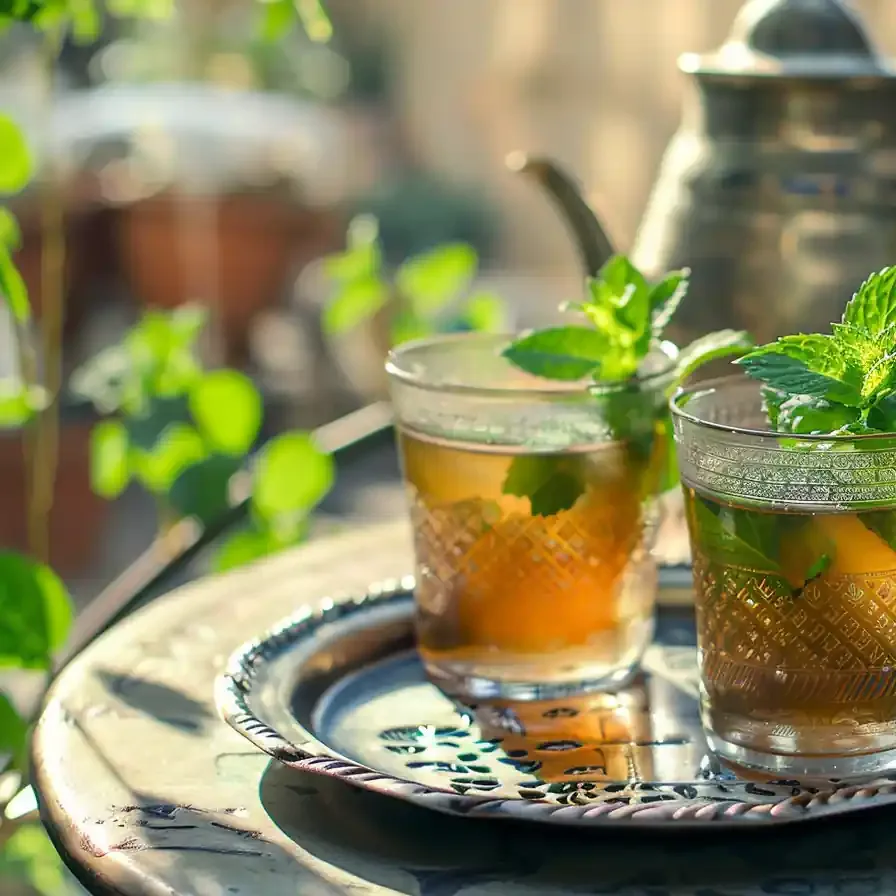
Authentic Moroccan mint tea brewed with gunpowder green tea, fresh mint sprigs, and sugar. Poured from a height for traditional froth, it's the perfect sweet tea ritual with Moroccan flavor and hospitality in every sip.
By Ryan Cole
- Prep8 min
- Cook7 min
- Total15 min
- Yield4 servings
Ingredients
Instructions
- Place the gunpowder green tea in your teapot.
- Pour in ½ cup boiling water, let sit for 30 seconds, swirl, and discard water.
- Add bruised fresh mint and optional herbs into the pot.
- Pour in remaining boiling water (about 2.5 cups).
- Bring to a gentle boil for 5 minutes on the stovetop.
- Add sugar, stir, and steep off heat for 5 minutes.
- Pour tea from a height into a glass and return to teapot. Repeat 3–4 times to aerate and mix.
- Serve in small glasses, pouring from high to create foam. Enjoy!
Notes
- Use spearmint for authentic flavor—peppermint is too strong.
- The tea becomes sweeter with each glass due to natural sugar settling.
- Optional: Add a splash of rose water or float pine nuts for regional twists.
Nutrition per 1 glass, estimate
- 75 calories
- 5 mg sodium
- 0 mg cholesterol
- 12 g sugar
- 0 g fat
- 0 g saturated fat
- 0 g unsaturated fat
- 0 g trans fat
- 18 g carbs
- 0 g fiber
- 0 g protein
Category: Drinks · Method: Stovetop · Cuisine: Moroccan
More Than a Drink—It’s Moroccan Identity
Moroccan mint tea, also called Maghrebi mint tea, isn’t just a daily staple—it’s a cultural cornerstone. It’s served to guests, used to welcome strangers, and even offered in shops and market stalls. It's brewed strong and poured high, not just for theatrics but to aerate the tea, cool it slightly, and create that iconic creamy foam on top, often called the “turban” of the tea.
This isn’t peppermint tea. It’s a unique blend of gunpowder green tea, fresh mint, sugar, and water—sometimes enhanced with rose water or artemisia. And yes, it’s sweet—intensely sweet—but that sweetness carries tradition, ceremony, and a touch of Moroccan soul in every sip.
Brewing Authentic Moroccan Mint Tea at Home
Traditional Ingredients, Simple Tools
Making authentic Moroccan mint tea doesn’t require fancy gadgets or rare ingredients—just quality components and a little attention to ritual. Here's what you’ll need to get started:
- 3 cups water
- 2.5 tsp loose gunpowder green tea
- 8 sprigs of fresh mint, washed
- 3 tbsp sugar (adjust to taste—or go without!)
- Optional: 4 sprigs artemisia or sage, for a more bitter herbal twist
You’ll also need a Moroccan teapot—or any stovetop-safe kettle that lets you boil directly on heat. If possible, use one made of metal with a long spout for high pours. The long spout isn’t just decorative; it’s essential for the traditional pouring technique that aerates the tea and creates that beautiful layer of foam.
Step-by-Step: How to Brew Moroccan Mint Tea
1. Clean the tea leaves.
Start by adding the gunpowder green tea to your teapot. Pour in about ½ cup of boiling water and let it sit for 30 seconds. Swirl gently, then pour out the water, leaving the rinsed tea leaves behind. This step removes any bitterness and “wakes up” the leaves.
2. Add the mint.
Twist the fresh mint sprigs gently to bruise them—this helps release their essential oils—and place them into the pot along with the tea. Some people add the sugar now, but if you want a deeper, caramelized sweetness, wait until later.
3. Pour in the hot water.
Add the remaining hot water (about 2.5 cups) to the pot. If you're adding herbs like artemisia or sage, drop them in now.
4. Bring it to a boil.
Place the teapot on medium heat and bring it to a gentle boil. Let it bubble softly for about five minutes to develop full flavor.
5. Sweeten the brew.
Add sugar to the boiling pot. Stir lightly, then let it steep off the heat for another five minutes. Moroccan mint tea is known for being very sweet, but feel free to reduce the sugar or swap in a natural alternative if you prefer.
6. The pour: height matters.
This step is more than showmanship. Pouring tea from a height of 12–18 inches isn’t just dramatic—it aerates the tea, enhancing the flavor and cooling it slightly. Pour into a glass, then pour it back into the pot. Repeat this process 3–4 times. This technique, known in Moroccan culture as tafrigh, helps fully integrate the sugar and creates the signature frothy “turban” on top.
For those who enjoy warming spice-forward drinks, clove tea offers a bold contrast to the cool sweetness of Moroccan mint tea.
Serving and Savoring
Traditionally, Moroccan mint tea is served in three small glasses. Each pour gets progressively sweeter, since the sugar tends to settle. The first is said to be "as bitter as life," the second "as strong as love," and the third "as sweet as death." This poetic description isn’t just metaphor—it reflects Morocco’s deep philosophy and layered culture.
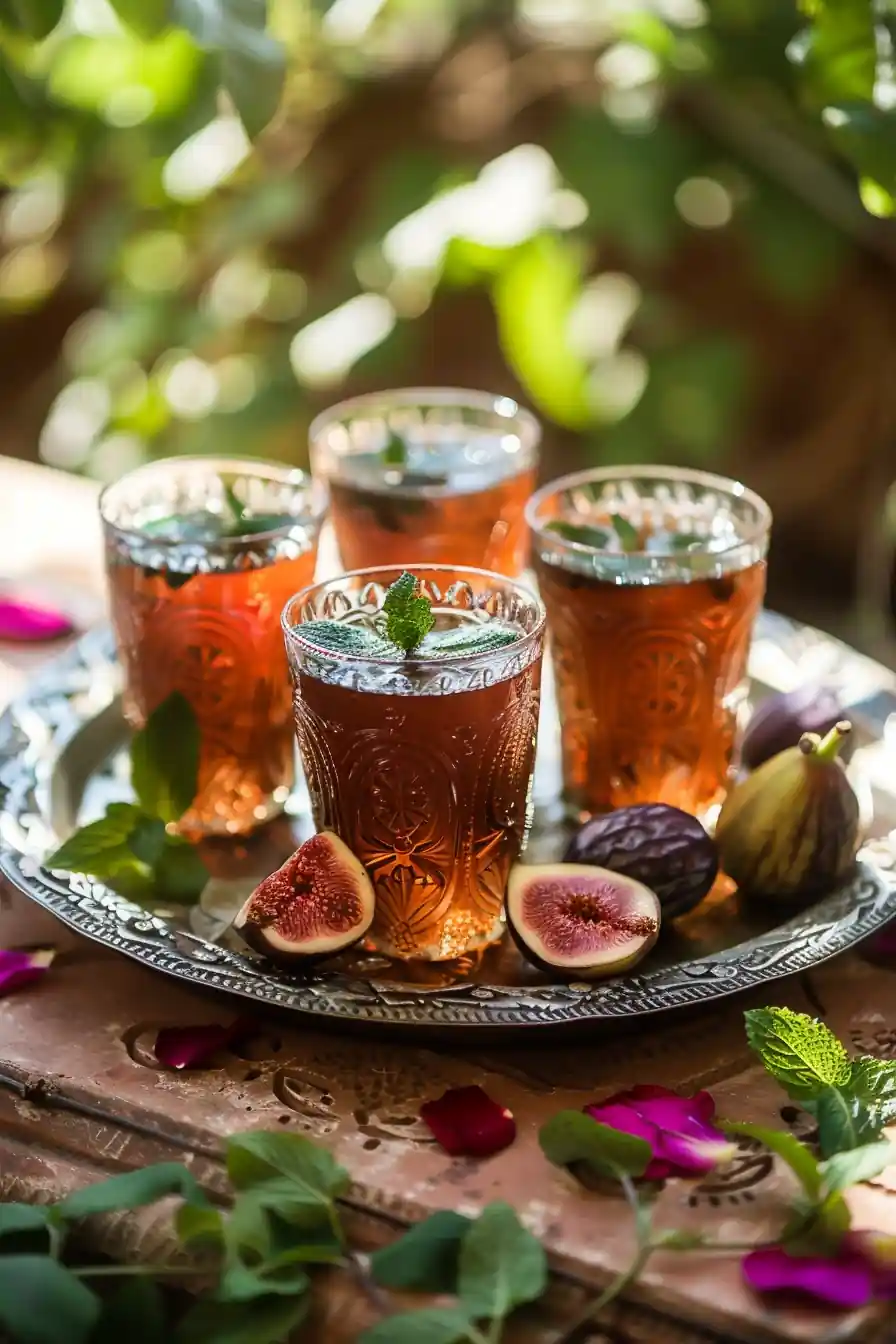
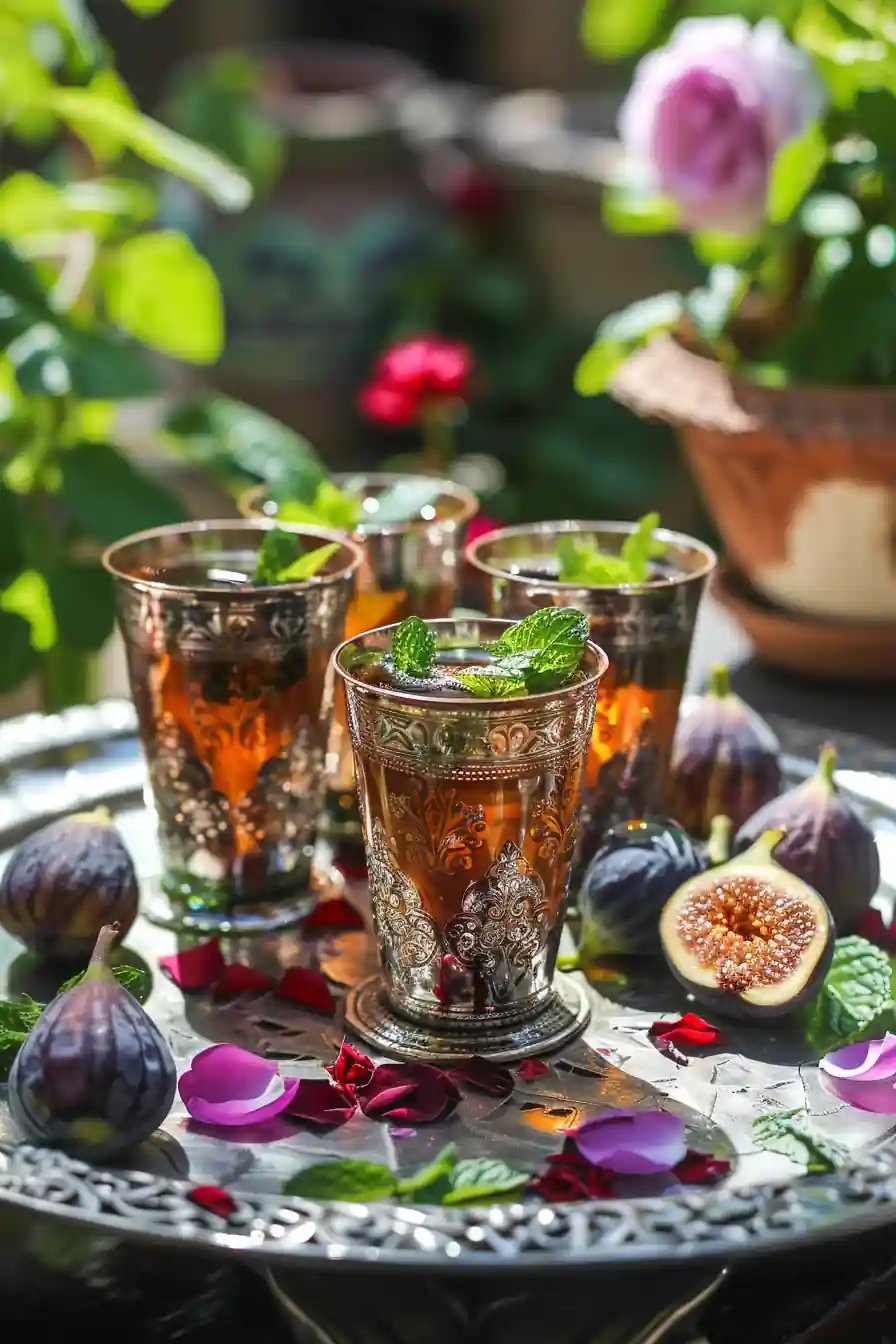
If you like, add a touch of rose water before serving for a floral twist. Or float a sprig of mint in the glass for extra aroma. However you choose to serve it, this is more than tea—it’s a sensory journey into Moroccan tradition.
Want to make it even more traditional? Pair it with sweet pastries or dates to complete the hospitality beverage experience, a staple in homes from Tangier to the Sahara.
Cultural Roots and Benefits of Moroccan Mint Tea
Moroccan Mint Tea: More Than a Drink—A National Identity
There’s a reason Moroccan mint tea is often called the "whiskey of Morocco"—not because it contains alcohol, but because it’s consumed so often, with the same ceremonial reverence. Whether you're in a home, a souk stall, or a Saharan tent, you're almost guaranteed to be offered a glass of this iconic hospitality beverage.
In Moroccan culture, sharing tea is a sign of respect, peace, and connection. Hosting without offering Moroccan mint tea is practically unheard of. When guests arrive, tea is brewed on the spot—not pre-made. It’s a slow, intentional ritual that speaks volumes about warmth and generosity. Even in desert climates, it’s served piping hot. Why? Locals say hot tea quenches thirst better than cold water, a belief backed by science—your body absorbs warm liquids faster than chilled ones.
And if you’ve ever wondered why Moroccan mint tea is so sweet, here’s the deal: sugar isn’t just for taste—it’s part of the ritual. In the north, the tea is sweeter. In the south, it leans more bitter. But across the country, sweetness symbolizes welcome and abundance.
It’s said that Moroccan mint tea should always be served three times. That poetic proverb? “The first glass is as bitter as life, the second as strong as love, and the third as sweet as death.” Each pour represents a stage of the brewing and a deeper layer of hospitality.
Moroccan Mint Tea Benefits: Beyond Taste
Yes, it tastes incredible—but Moroccan mint tea isn’t just about flavor. It brings some pretty impressive wellness perks, too. Starting with gunpowder green tea, which is rich in antioxidants, this blend supports digestion, helps reduce inflammation, and may even boost metabolism.If you're a fan of bolder blends, this lemon ginger cinnamon tea offers a spicy-sweet contrast worth exploring.
The fresh mint sprigs? They don’t just add aroma. Mint is known to ease bloating, calm nausea, and refresh your breath. Combined, these ingredients create a calming, energizing drink that’s as beneficial as it is delicious.
If you’re curious about Moroccan mint tea caffeine, here’s the truth: it does contain caffeine, thanks to the green tea base. But it’s typically much lower than coffee or black tea. This makes it a perfect afternoon pick-me-up—just enough to wake you up, without causing jitters.
Some versions include Moroccan mint tea with rose water, adding floral antioxidants and anti-inflammatory properties. Others add herbs like lemon verbena or sage for relaxation and digestion. These regional spins reflect personal taste and local availability—but they all maintain the signature profile of authentic Moroccan mint tea.
Drinking Moroccan mint tea regularly may even aid in regulating blood sugar levels and improving heart health. Just remember: if you're watching your sugar intake, modify the recipe to suit your dietary needs. It’s common to use less sugar or replace it with honey or stevia.
Ultimately, Moroccan mint tea offers both flavor and function—a sweet tea ritual that's deeply cultural and quietly medicinal.
Looking for a calming tea with weight balance perks? Try this lemon balm tea recipe for its gentle herbal profile and metabolic support.
If you're drawn to teas that support digestion and immunity, you'll love this refreshing lemon ginger probiotic tea as a functional follow-up to Moroccan mint.
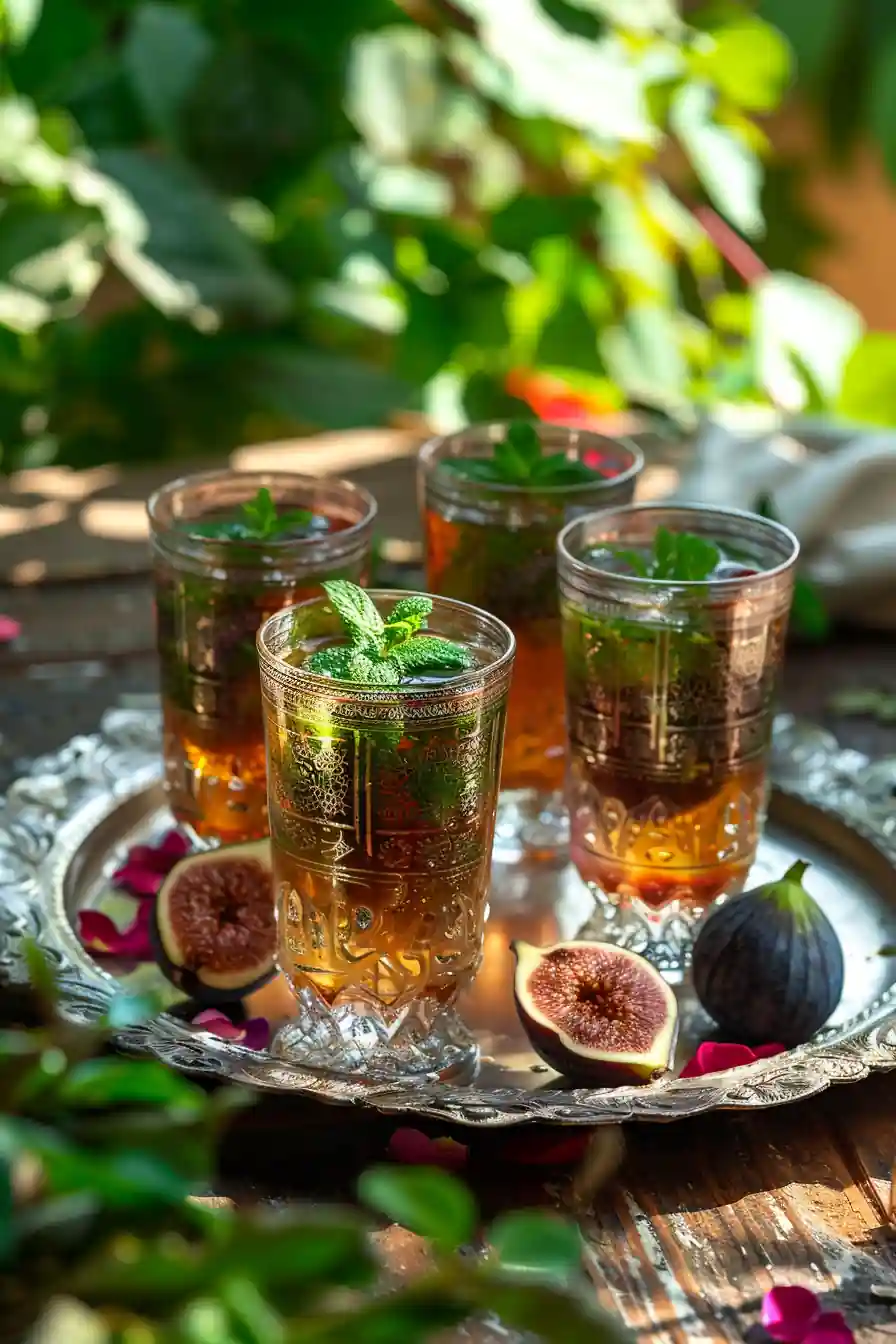
Mastering Maghrebi Mint Tea Recipe
What Makes Moroccan Mint Tea So Special?
Moroccan mint tea isn’t just another green tea blend—it’s a symbol. It carries centuries of tradition, hospitality, and Moroccan identity in every frothy glass. The tea is brewed with care and served with pride, often using ornate silver teapots and colorful glasses. But what truly sets it apart is the way it’s prepared and shared.
Unlike other teas, Moroccan mint tea uses gunpowder green tea, which has a bold, slightly smoky profile. This is paired with generous handfuls of fresh mint—not peppermint, which has a sharper, more menthol flavor. Instead, spearmint is traditionally used for its sweetness and subtle cooling effect. The result is a smooth, vibrant, and aromatic drink.
Is Moroccan Mint Tea the Same as Peppermint Tea?
Not even close. While Moroccan mint tea and peppermint tea both contain mint, they’re totally different drinks. Peppermint tea is typically a simple herbal infusion—mint leaves steeped in hot water—with no caffeine. Moroccan mint tea, on the other hand, is a traditional brewing process that includes gunpowder green tea, sugar, and mint.
This means Moroccan mint tea contains caffeine, unlike its herbal cousin. It also has a layered flavor: grassy green tea, sweet mint, and an almost floral complexity when you add rose water or lemon verbena.
How Do You Brew Authentic Moroccan Mint Tea?
To make authentic Moroccan mint tea, you rinse the tea leaves, steep them with bruised mint and sugar, and boil everything in a teapot. Then comes the key step—aerating the tea by pouring it from a height, which forms the signature foamy head.
This frothy pour isn’t just dramatic. It helps the sugar dissolve evenly, cools the tea slightly, and draws out subtle aromas. Moroccan tea masters often repeat the high pour several times between pot and glass to fully mix the brew.
According to the New Orleans Tea Company, this aeration process intensifies both the aroma and taste, unlocking that distinct Moroccan mint tea experience.
Why Is It Poured from High and Served in Small Glasses?
Pouring from a height of 12–18 inches may look like flair, but it’s practical and traditional. It blends the ingredients, oxygenates the liquid, and forms that creamy top layer that’s a mark of good tea. The glass is filled with purpose, not precision.
You’ll typically receive three small servings, each poured successively. Why three? The sugar settles, and each glass tells a different story—first bitter, second strong, third sweet. This isn’t just poetic—it’s built into the recipe. The sweet layer at the bottom? It’s intentional. That’s part of what makes Moroccan mint tea so irresistible.
Moroccan Mint Tea Questions Answered
What is special about Moroccan mint tea?
Moroccan mint tea isn’t just a beverage—it’s a cultural tradition deeply woven into daily life. The combination of gunpowder green tea, fresh mint, and sugar brewed with ceremony and poured from a height makes it both visually striking and full of flavor. Its role as a symbol of hospitality makes it truly special.
How do you brew authentic Moroccan mint tea?
Rinse the gunpowder green tea leaves first to remove bitterness. Add bruised mint and sugar to the teapot, pour in hot water, and gently boil. Finally, aerate the tea by pouring it from a height multiple times to blend flavors and create foam.
Is Moroccan mint tea the same as peppermint tea?
No. Peppermint tea is typically caffeine-free and steeped herbal leaves. Moroccan mint tea is brewed using caffeinated gunpowder green tea, fresh spearmint, and sugar—resulting in a much richer and more complex flavor.
Why is Moroccan mint tea so sweet?
The generous sugar added isn’t just for taste—it’s part of Moroccan tea tradition. The sugar is added during brewing, not afterward, so it caramelizes slightly, creating a signature sweetness and richer flavor. Some regions and individuals adjust this based on preference.
Conclusion: Sweet Rituals Worth Repeating
At the end of a long day, when decisions feel endless and your energy is drained, there’s something quietly empowering about stopping to brew a pot of Moroccan mint tea. It’s not just about the taste. It’s about reclaiming a moment. It’s the aroma of crushed mint, the shimmer of steam, and the calm created by pouring from one glass to another.
You don’t need to be in Fez or Marrakech to enjoy this ritual. All you need is a teapot, a few basic ingredients, and fifteen minutes. Because even the most ordinary evenings deserve a little ceremony. So go ahead—brew a glass, take a breath, and let the simplicity of this Maghrebi mint tea remind you that beauty lives in the small things.
Whether you're sipping Moroccan mint or experimenting with Korean lemon balm tea, the ritual is a form of self-care.
"Sometimes, the best escape isn’t somewhere far—it's the steam rising from your own cup."
For more recipes follow me on Pinterest.