 Easy Made Eats
Lemon Balm Tincture Recipe for Sleep, Stress, and Wellness
Alcohol-free lemon balm tincture recipe for sleep, stress relief, digestion & wellness—easy, kid-friendly, and packed with herbal goodness.

 Save
SaveMost evenings, my kitchen is my escape hatch from stress—and one of my favorite discoveries has been the magic of an alcohol-free lemon balm tincture recipe. The first time I made it, the scent alone felt like a hug for my nervous system. If you’ve only tasted lemon balm in tea, you’re missing the concentrated calm this little bottle delivers. In this guide, I’ll share every step, from picking the freshest leaves to bottling liquid sunshine. By the time you finish, you’ll have an lemon balm tincture recipe you’ll reach for on restless nights, stressful mornings, and everything in between.
Disclaimer: I’m a wellness enthusiast who shares natural remedies like this alcohol-free lemon balm tincture recipe using insights from credible research and professional sources. This article is for informational purposes only and not medical advice. Always consult a qualified healthcare provider before trying herbal preparations. Read my full Medical Disclaimer here.
On this page
- What is Lemon Balm Tincture?
- Lemon Balm Tincture Recipe Card
- Benefits of Lemon Balm Tincture
- How to Make Lemon Balm Tincture (Step-by-Step)
- How to Use Lemon Balm Tincture
- How to Harvest and Preserve Lemon Balm
- Storage, Shelf Life & Troubleshooting
- Safety, Side Effects & Contraindications
- Alternatives & Related Preparations
- Answers to Common Questions About Lemon Balm Tincture
- Conclusion
What is Lemon Balm Tincture?
When you hear “tincture,” think of it as nature’s way of bottling up calm in its most concentrated form. A lemon balm tincture takes the soothing, lemony-mint flavor of Melissa officinalis and extracts its active compounds into a liquid you can use in drops instead of cups. If you want to explore every powerful way to enjoy this herb—from teas to syrups—check out our complete lemon balm recipe guide with powerful ways to use it.
This method preserves the herb’s nervine properties, helping with everything from stress relief to digestive support. While traditional tinctures use alcohol, you can make an equally potent alcohol-free lemon balm tincture recipe using vegetable glycerin—perfect for kids, those avoiding alcohol, or anyone who prefers a gentler base.
Overview of Melissa officinalis
Lemon balm belongs to the mint family (Lamiaceae) and has been a staple in herbal medicine for centuries. Known for compounds like rosmarinic acid and citral, it’s often classified as a “nervine,” meaning it helps calm the nervous system. Modern studies support its role in reducing anxiety and improving mood, with research such as this clinical review on lemon balm’s effects on psychological well-being showing promising results.
What is a Tincture & How It Works
A tincture is a concentrated herbal extract made by soaking plant material in a solvent to pull out beneficial compounds. With lemon balm, this means preserving its volatile oils and bioactive chemicals in a stable form that lasts for years. While alcohol remains the most common solvent, a glycerite—made with food-grade vegetable glycerin—offers a sweet, alcohol-free alternative that keeps most of the same medicinal properties intact.
Fresh vs Dried Lemon Balm Potency
Fresh lemon balm contains higher amounts of volatile oils, giving a stronger aroma and flavor, but it can ferment if not handled correctly. Dried lemon balm, on the other hand, is easier to store and less prone to spoilage, though some delicate compounds may degrade during drying. In the how to make lemon balm tincture section ahead, I’ll show you how to choose between fresh and dried leaves depending on your desired potency and storage preferences.
Lemon Balm Tincture Recipe Card
This gentle, alcohol-free lemon balm tincture recipe harnesses the soothing power of Melissa officinalis without alcohol, making it perfect for kids, sensitive adults, and anyone seeking a natural, calming remedy. Just a few ingredients, a jar, and a little patience will reward you with a potent herbal glycerite for daily wellness.
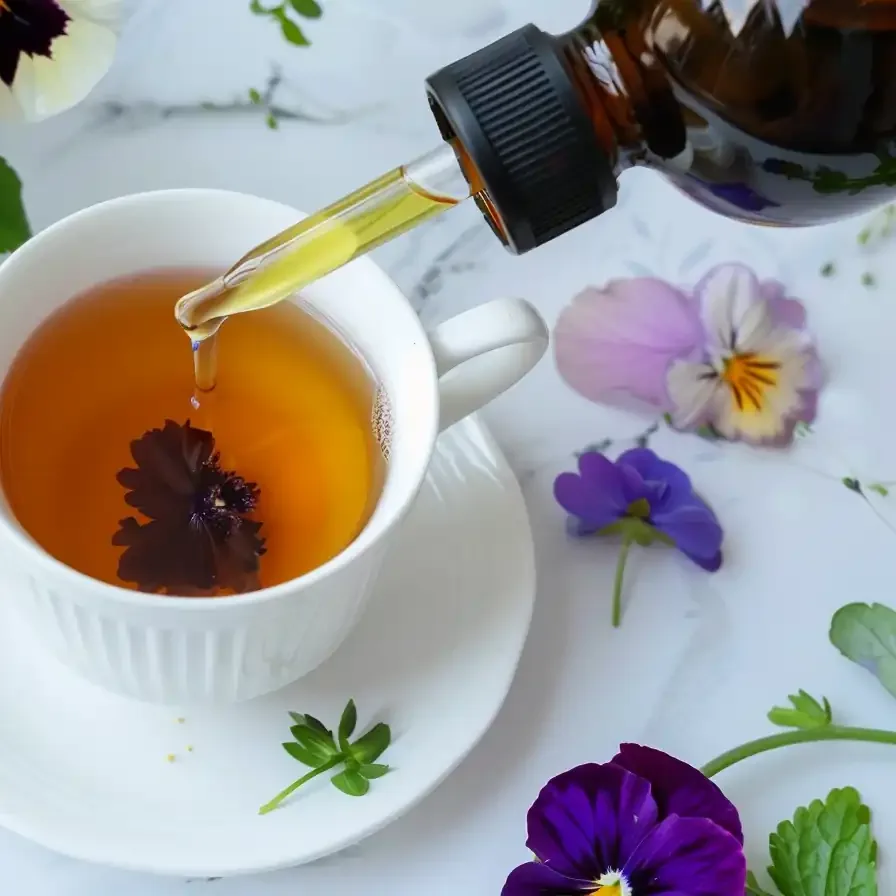
The Best Lemon Balm Tincture Recipe
A gentle, alcohol-free lemon balm tincture (glycerite) that supports sleep, relieves stress, eases digestion, and offers antiviral benefits. Perfect for both adults and children, made with vegetable glycerin instead of alcohol.
By Ryan Cole
- Prep15 min
- Cook0 min
- Total15 min
- Yield500ml tincture
Ingredients
Instructions
- Weigh the semi-dried lemon balm leaves and pack them into the clean glass jar.
- Mix the vegetable glycerin and distilled water in a measuring jug.
- Pour the glycerin mixture over the lemon balm until fully submerged.
- Use a muddler or wooden spoon to press the leaves down, releasing natural oils.
- Seal the jar tightly and store in a cool, dark place for 4–6 weeks, shaking daily.
- After steeping, strain the liquid through cheesecloth into a clean bowl.
- Transfer the tincture into labeled dark glass dropper bottles and store in a cool cupboard.
Notes
- Child-Friendly: Use half the adult dosage for children.
- Potency Tip: Semi-dry the leaves for a more concentrated flavor and reduced mould risk.
- Shelf Life: Lasts up to 2 years if stored away from heat and light.
- Pairing Idea: Add a few drops to lemon balm tea for extra calming effect.
- Skin Use: Apply directly to cold sores or mix into salves for topical use.
Nutrition per 1 teaspoon, estimate
- 10 calories
Category: Herbal Remedy, Wellness · Method: Cold Infusion
Benefits of Lemon Balm Tincture
When you keep a small bottle of alcohol-free lemon balm tincture in your kitchen or bag, you’re carrying centuries of herbal wisdom in a few drops. This nervine herb has a rich profile of phytochemicals—including rosmarinic acid, eugenol, and citral—that work together to soothe, protect, and restore balance in the body.
Sleep Aid & Relaxation Support
If counting sheep feels like running a marathon, lemon balm may be your shortcut to deep rest. Known for its mild sedative properties, it supports the body’s natural sleep cycles and helps quiet a restless mind. Research has linked its calming effects to GABA receptor interaction, a mechanism similar to chamomile and valerian. Taking a few drops of your alcohol-free lemon balm tincture recipe before bed can help you unwind without morning grogginess.
Stress & Anxiety Relief
Stress doesn’t just tax your mind—it impacts digestion, immunity, and heart health. Lemon balm has been shown to reduce cortisol levels and support a balanced mood, making it a valuable daily tonic. The anti-stress effects of lemon balm-containing foods are backed by modern studies, reinforcing what herbalists have known for centuries: this plant is a natural stress buffer.
Digestive Health & Nausea Relief
As a carminative and mild antispasmodic, lemon balm helps ease bloating, cramping, and nausea. A few drops before meals can prepare the stomach for digestion, while post-meal doses may ease discomfort. If you’re also looking to gently support metabolism, you might enjoy exploring my lemon balm recipes that may support weight goals for everyday wellness.
Headache & Migraine Reduction
Migraines can stem from tension, stress, or digestive triggers—areas where lemon balm naturally excels. Its relaxing effect on smooth muscle can ease vascular constriction, helping reduce headache severity when taken at early onset.
Antiviral Benefits (Cold Sores, Herpes)
Topically, lemon balm tincture is a time-tested cold sore remedy, thanks to antiviral compounds that inhibit herpes simplex virus activity. Applied directly to the affected area or mixed into a cream, it can shorten flare-up duration and ease discomfort.
Other Medicinal Properties
Beyond its nervine and digestive roles, lemon balm has antioxidant and mild immunomodulatory effects. Studies such as this meta-analysis on lemon balm’s impact on lipid profile suggest potential cardiovascular benefits, while traditional use includes easing menstrual cramps and supporting cognitive clarity.
How to Make Lemon Balm Tincture (Step-by-Step)
Making your own alcohol-free lemon balm tincture is surprisingly simple, and it gives you complete control over ingredient quality. While traditional folk methods use alcohol, the glycerite method uses food-grade vegetable glycerin—a naturally sweet, alcohol-free solvent—making it safe for kids and ideal for anyone avoiding alcohol.
Ingredients & Tools You’ll Need
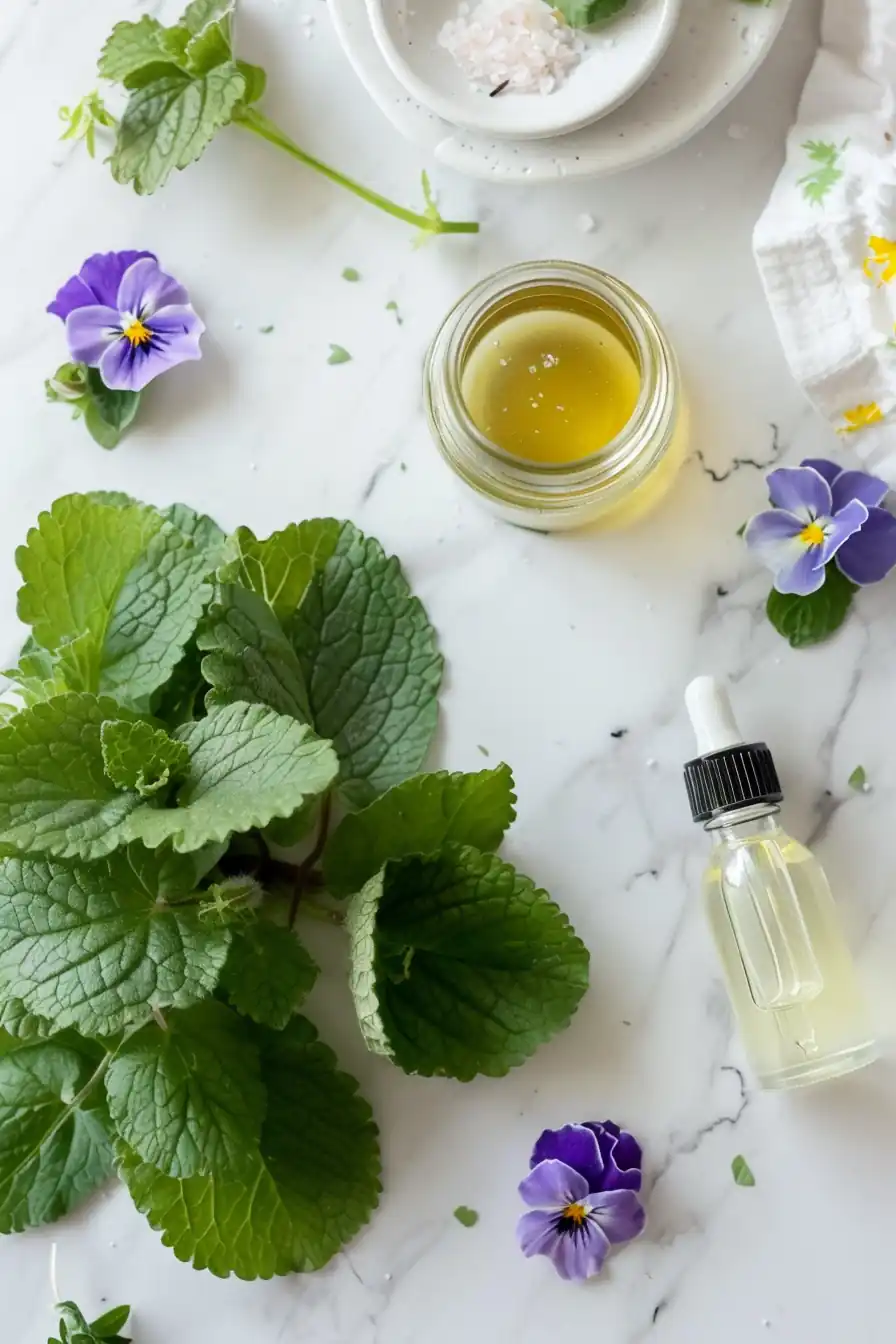
Fresh Lemon Balm Glycerite Recipe:
- 1 cup (about 40g) fresh lemon balm leaves, lightly packed
- 2 cups food-grade vegetable glycerin
- 1 cup distilled water
- 1 clean glass jar with lid (pint size)
- Chopstick or muddler
- Fine-mesh strainer or muslin cloth
- Dark glass dropper bottles for storage
Pro Tip: If you want to pair your tincture project with a refreshing drink, try my homemade lemon balm lemonade for a quick cooldown while you work.
Choosing Fresh vs Dried Lemon Balm
Fresh lemon balm offers vibrant aroma and higher volatile oil content but may require semi-drying to avoid mould. Dried leaves are shelf-stable and easier to handle but lose some delicate terpenes in the drying process. For glycerite tinctures, many herbalists prefer fresh leaves to preserve the full lemony profile.
Alcohol-Free Glycerite Method (Kid-Friendly)
- Prep the Leaves: Rinse quickly, pat dry, and chop roughly to expose cell walls.
- Combine Solvents: Mix glycerin and distilled water in a measuring cup.
- Pack the Jar: Fill with lemon balm, pressing gently with a muddler to release oils.
- Add Liquid: Pour the glycerin-water mix over the leaves, ensuring full coverage.
- Seal & Store: Close the jar tightly and place it in a cool, dark cupboard. Shake daily for 4–6 weeks.
- Strain & Bottle: Use muslin cloth to filter, pressing well to extract every drop. Store in dark glass bottles.
While you’re steeping your tincture, you might also enjoy sipping a healthy lemon balm water recipe—another alcohol-free way to enjoy this herb’s refreshing flavor.
Steeping, Straining & Bottling
- Steeping: Let sit for 4–6 weeks, shaking daily to keep the plant material saturated.
- Straining: Pour through a fine cloth or sieve, squeezing out all liquid.
- Bottling: Label with date and “Alcohol-Free Lemon Balm Glycerite.” Store in a cool, dark place to maximize shelf life.
How to Use Lemon Balm Tincture
Whether you’re chasing better sleep, calmer days, or a quick digestive fix, your alcohol-free lemon balm tincture is a versatile herbal ally. A few drops can be all it takes to shift your mood or settle an uneasy stomach.
Internal Use & Dosage Guidelines
For adults, start with ½ to 1 teaspoon (about 30–60 drops) diluted in a splash of water or herbal tea, up to three times daily. For kids, halve the dosage. The dosage for lemon balm tincture can vary based on your body’s needs—many find bedtime use ideal for sleep support, while morning doses may help with stress relief.
Topical Applications (Skin, Cold Sores, Insect Bites)
Thanks to its antiviral properties, this tincture doubles as a lemon balm cold sore remedy. Dab directly onto cold sores or mix with a carrier cream at 6% for a soothing antiviral salve. It also works well on minor skin irritations and insect bites to calm redness and itching.
Culinary Uses (Flavoring Food & Drinks)
Lemon balm’s citrusy, mint-like flavor makes it perfect for creative cooking. A few drops in salad dressings, fruit syrups, or even cocktails (mocktails, if you’re avoiding alcohol) can brighten flavors. My personal favorite? Blending it into a fresh, vibrant lemon balm pesto sauce for pasta or toasted bread—it’s a surprising way to sneak in the herb’s medicinal properties without feeling like you’re “taking medicine.”
For drinks, you can add your tincture to sparkling water with a slice of lemon, or even stir it into a herbal iced tea for a refreshing mood lift.
How to Harvest and Preserve Lemon Balm
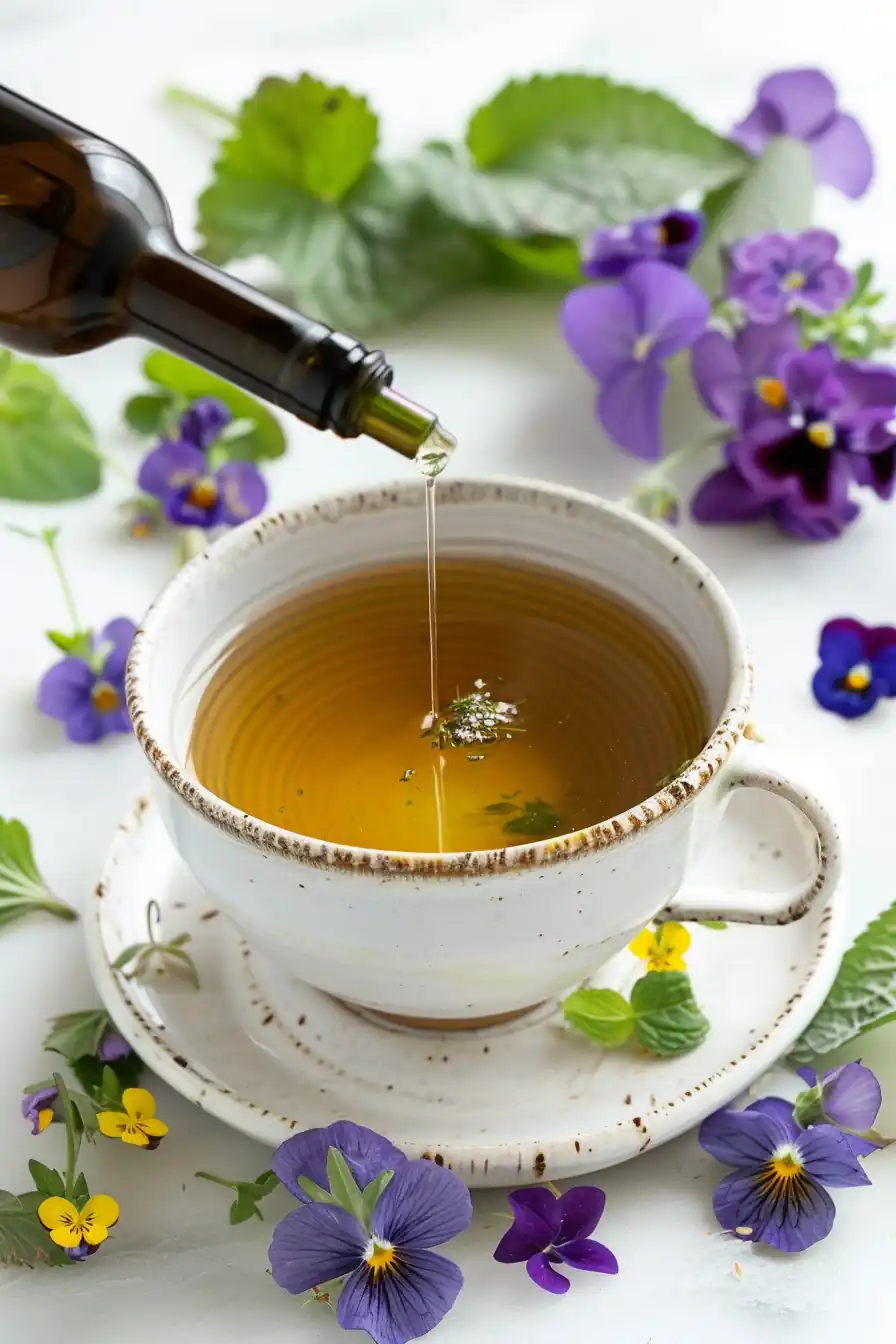
Harvesting lemon balm at the right time ensures your alcohol-free lemon balm tincture captures the most flavor and medicinal potency. Timing, technique, and preservation methods all matter for locking in those volatile oils and active compounds.
Best Time & Method for Harvesting
Lemon balm is at its peak just before it flowers, when oil concentration is highest. Aim to harvest in the morning after dew has dried, but before the midday sun can evaporate essential oils.
Harvesting Steps:
- Choose healthy, vibrant stems with no signs of damage or disease.
- Use clean, sharp scissors or garden shears.
- Cut stems 2–3 inches above the base to encourage regrowth.
- Handle gently to avoid bruising leaves.
Harvesting Conditions Table:
| Best Time of Day | Best Growth Stage | Weather Conditions |
|---|---|---|
| Morning (after dew) | Before flowering | Dry, mild, no rain |
If you’re curious how different cultures use this herb beyond tinctures, check out my Korean lemon balm recipes for wellness for a fresh take on harvesting for culinary purposes.
Preserving Potency & Volatile Oils
Lemon balm loses its delicate citrus scent quickly if improperly stored. You can preserve it by:
Drying Method:
- Rinse lightly, pat dry, and spread in a single layer on a mesh rack.
- Dry in a warm, shaded, and ventilated area.
- Store in airtight jars away from light.
Freezing Method:
- Chop leaves and freeze in ice cube trays with water.
- Great for adding fresh-tasting lemon balm to drinks and soups.
Potency Preservation Table:
| Method | Pros | Cons |
|---|---|---|
| Air Drying | Preserves most oils, long shelf life | Slight oil loss |
| Freezing | Keeps fresh flavor, quick | Needs freezer space |
Storage, Shelf Life & Troubleshooting
A well-made alcohol-free lemon balm tincture can stay potent for years if stored correctly, but there are a few pitfalls to avoid. Proper storage helps preserve the herb’s volatile oils, medicinal compounds, and flavor.
How Long Does Lemon Balm Tincture Last?
An alcohol-free glycerite tincture typically lasts 1–2 years if stored in a cool, dark place in an airtight container. Alcohol-based tinctures can last 5+ years, but since we’re avoiding alcohol here, shelf life is shorter.
Shelf Life Table:
| Tincture Type | Expected Shelf Life | Storage Tip |
|---|---|---|
| Alcohol-Free Glycerite | 1–2 years | Cool, dark, airtight |
| Alcohol-Based | 5+ years | Cool, dark, airtight |
Signs of Spoilage or Oxidation
Watch for:
- Cloudiness or sediment not present initially
- Sour or off odor
- Mold growth on surface
- Color change from golden-brown to dark brown/black
If you see any of these signs, discard immediately.
Tips to Prevent Oxidation & Mould
- Always use clean, dry utensils when handling tincture.
- Keep the jar sealed tightly between uses.
- Avoid storing near heat sources or in direct sunlight.
- Use dark glass bottles to reduce UV exposure.
Quick Troubleshooting Table:
| Problem | Possible Cause | Solution |
|---|---|---|
| Cloudy tincture | Moisture contamination | Discard and restart with dry tools |
| Mold on surface | Too much water in fresh leaves | Semi-dry leaves before use |
| Loss of flavor | Heat/light exposure | Store in dark bottles away from heat |
If you’d like a soothing, shelf-stable alternative for daily sipping, try my lemon balm tea for gentle weight support—a caffeine-free way to enjoy lemon balm while your tincture is brewing.
Safety, Side Effects & Contraindications
While an alcohol-free lemon balm tincture is generally considered safe for most people, there are some situations where caution—or complete avoidance—is recommended. Always check with a qualified healthcare provider before starting any herbal regimen, especially if you have existing health conditions.
Thyroid Disease Warning
- Lemon balm may affect thyroid hormone levels and could interfere with medications for hypothyroidism or hyperthyroidism.
- People with thyroid disorders should consult their doctor before using lemon balm in herbal medicine.
Pregnancy & Breastfeeding Considerations
- Safety data for pregnancy is limited. While lemon balm tea in small amounts is often considered mild, concentrated tinctures may be too potent.
- Nursing mothers should consult their healthcare provider to ensure safety for the infant.
Use in Children
- A glycerite form is suitable for children at half the adult dosage.
- Avoid giving tincture to infants under 6 months old unless directed by a pediatric herbalist.
Potential Side Effects
- Mild gastrointestinal upset if taken in large doses.
- Possible allergic reactions in those sensitive to the mint family (Lamiaceae).
- Excessive use may cause drowsiness—important if driving or operating machinery.
Side Effects Quick Reference Table:
| Potential Side Effect | Who’s at Risk | Precaution |
|---|---|---|
| Drowsiness | Drivers, machine operators | Avoid before activities needing alertness |
| GI upset | Sensitive stomachs | Lower dosage or take with food |
| Allergic reaction | Mint family allergies | Discontinue at first sign of reaction |
Alternatives & Related Preparations
An alcohol-free lemon balm tincture is just one way to capture the calming, antiviral, and digestive benefits of Melissa officinalis. If you like variety in your herbal routine, you’ll enjoy exploring these other preparations.
Lemon Balm Tea
One of the gentlest ways to enjoy lemon balm for stress relief and digestion is as a tea. Steep fresh or dried leaves for 5–10 minutes, strain, and sip. Perfect for evening wind-downs or a midday mood lift. Tea offers quick relief but a shorter shelf life compared to tinctures.
Lemon Balm Infused Oil & Balms
Infused oils work beautifully for topical uses, such as easing muscle tension, skin irritation, or cold sore outbreaks. To make one, steep semi-dried lemon balm in olive oil for 4 weeks, then strain and store. This oil can be whipped into salves or lip balms for portable skincare.
Lemon Balm in Herbal Blends & Recipes
Lemon balm pairs well with other nervine herbs like chamomile, lavender, and passionflower. You can combine these in teas, tinctures, or even herbal syrups for seasonal wellness. If you’re looking for a sweet, concentrated way to boost immunity and mood, try my homemade lemon balm syrup recipe — a delicious addition to teas, desserts, and even sparkling water.
Comparison Table: Tincture vs Tea vs Infused Oil
| Form | Best For | Shelf Life | Potency |
|---|---|---|---|
| Alcohol-Free Tincture (Glycerite) | Sleep, stress, digestion | 1–2 years | High |
| Tea | Immediate calming effect | Fresh: 1 day, Dried: 6–12 months | Moderate |
| Infused Oil | Topical skin care, cold sores | 6–12 months | Moderate |
Answers to Common Questions About Lemon Balm Tincture
What is the best alcohol for lemon balm tincture?
If using alcohol, 80–100 proof vodka or brandy works well. For an alcohol-free lemon balm tincture, substitute with food-grade vegetable glycerin for similar extraction power without alcohol content.
What is lemon balm tincture good for?
It supports sleep, reduces stress, eases digestion, and offers antiviral benefits. Lemon balm tincture is a versatile herbal remedy for both internal and topical use.
What should you not mix with lemon balm?
Avoid combining with strong sedatives or thyroid medication without medical guidance, as lemon balm may enhance drowsiness and affect hormone balance.
How to harvest lemon balm for tincture?
Harvest in the morning after dew dries, before flowering, for maximum volatile oils. Cut stems 2–3 inches above base and handle leaves gently to preserve potency.
Conclusion
If you’ve read this far, you’re already halfway to your first jar of alcohol-free lemon balm tincture. The only thing standing between you and a calmer, more centered you is a handful of fresh leaves and a little patience. Once you feel the ease it brings—steadying your breath, calming your thoughts—you’ll wonder why you didn’t start sooner.
I swapped corporate burnout for moments like these: herbs steeping in the kitchen, a sense of anticipation in the air, and the knowledge that I’m crafting something nourishing for body and mind. You can have that too, starting today.
The clock is ticking—your best batch of lemon balm tincture is just a jar away. Make it, taste it, feel it. And when you do, you’ll know why this little ritual has become my favorite 15 minutes of the day.