 Easy Made Eats
Lemon Balm Soap Recipe (Cold Process) for Natural Herbal Skincare
Lemon balm soap recipe using cold process with infused oils, essential oils, and healing herbs. Soothing, moisturizing, and perfect for herbal skincare.

 Save
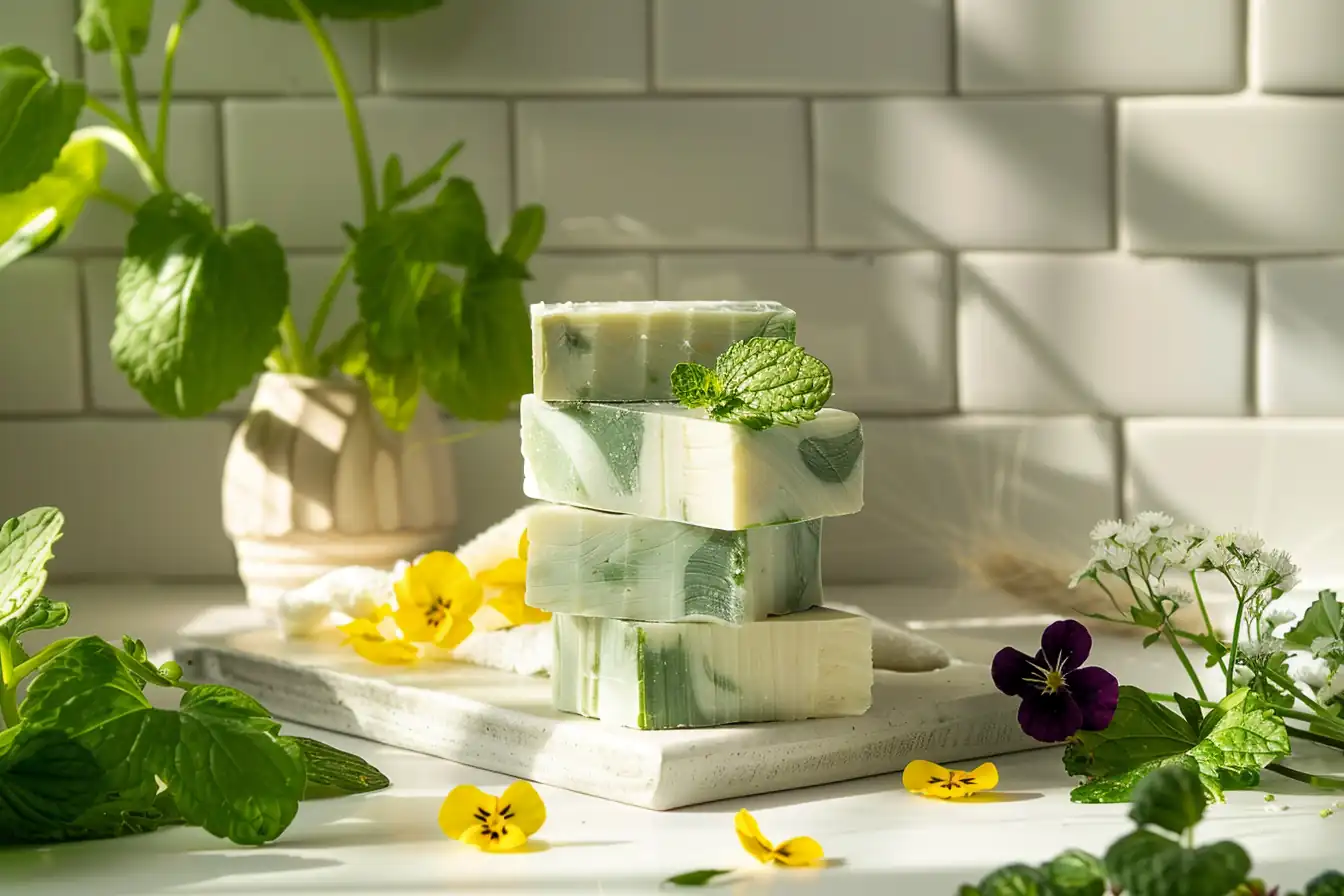
SaveThere was a time when I thought the smell of lemon balm was just a garden bonus—until I stirred it into a soap pot and watched my whole routine shift. The moment that lemon-mint aroma hit the steam, I knew I had something special. If you’ve been craving a skin-loving, garden-to-sink kind of clean, this lemon balm soap recipe is your answer. Today, I’ll walk you through the exact lemon balm soap recipe I trust for gifts, gardening hands, and herbal skincare bliss. This isn’t just soap—it’s a ritual. Stick around, because the best bar you’ve ever made starts here.
Disclaimer: This lemon balm soap recipe is shared for educational and DIY skincare purposes only. I’m a wellness enthusiast who cites professional sources and reliable health research, but I am not a medical professional. For personalized advice, especially if you have sensitive skin, medical conditions, or allergies, please consult a qualified healthcare provider. See my full Medical Disclaimer here.
On this page
Make Your Own Lemon Balm Soap at Home
Lemon balm—also known as Melissa officinalis—isn't just a calming garden staple; it's the base for one of my most loved skincare recipes. If you’re looking for a refreshing, moisturizing soap that’s as beautiful as it is beneficial, this lemon balm soap recipe cold process method is your go-to. We’re working with infused oils, a boost of color from turmeric & mica, and a fragrance blend that smells like a walk through a lemony herb patch. Whether you're new to herbal skincare DIY or you've been making natural soap for years, this recipe delivers both simplicity and soul.
Let’s gather your ingredients and get soaping.
Ingredient List for Cold Process Lemon Balm Soap
Below is the full list of ingredients with accurate conversions. This batch yields approximately 2 lbs (900 g) of soap, perfect for gifting or stocking your herbal skincare shelf.
| Ingredient | Metric | US Volume |
|---|---|---|
| Lemon balm infused olive oil | 500 ml | 17 oz |
| Organic coconut oil | 200 ml | 7 oz |
| Water (for lye solution) | 250 ml | 8.4 oz |
| Sodium hydroxide (lye) | 106 g | 3.6 oz |
| Calendula-infused grapeseed oil | 60 ml | 2 oz |
| Shea butter | 15 ml | 0.5 oz |
| Lemon essential oil | 10 ml | 0.34 oz |
| Peppermint essential oil | 5 ml | 0.17 oz |
| Turmeric powder | 1 tsp | — |
| Green mica powder | 1.5 tsp | — |
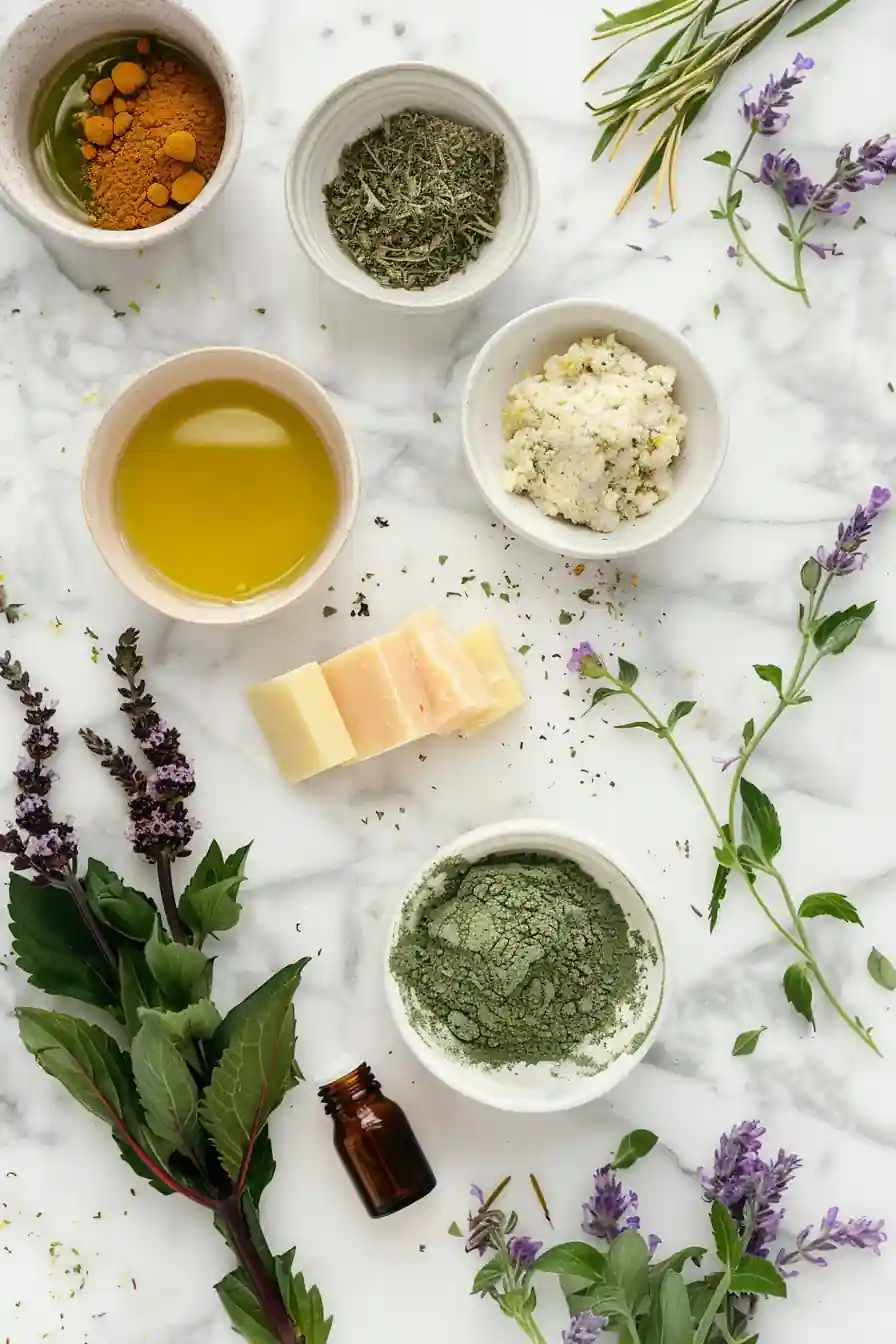
Step-by-Step Instructions
- Safety first. Wear gloves, goggles, and long sleeves. Make sure your workspace is well-ventilated.
- Weigh and prep. Measure all ingredients using a kitchen scale for precision.
- Heat your oils. In a double boiler, warm the oils and shea butter until they reach 115°F.
- Create your lye solution. Slowly add lye to water (never the reverse), stirring until dissolved. Place the container in an ice bath to bring it down to 115°F.
- Combine oils and lye. When both are at the same temperature, blend together using an immersion blender. This is the moment where soap trace begins to form.
- Color and scent. Add essential oils, turmeric, and ½ tsp of mica. Blend well.
- Marbling technique. Remove a few tablespoons of batter, mix with remaining mica, then swirl it back into the main bowl using a spatula.
- Mold the soap. Pour the mixture into a lined loaf mold. Insulate for 48 hours in a warm spot.
- Unmold and cure. Remove from mold, slice into bars, and cure for 4–6 weeks in a cool, dry, ventilated area.
If you’re new to using this citrusy herb, don’t miss our complete lemon balm recipe guide where we cover teas, tinctures, balms, and all the powerful ways to use lemon balm beyond soap.
Lemon Balm Soap Recipe Card (Cold Process)
This beautifully moisturizing lemon balm soap is gentle, garden-fresh, and full of plant-based goodness. Infused with dried herbs, citrusy essential oils, and a swirl of green mica and turmeric, it’s the perfect herbal skincare DIY project. Whether you’re curing a batch for gifting or everyday use, this bar turns a simple soap into a spa-like ritual.
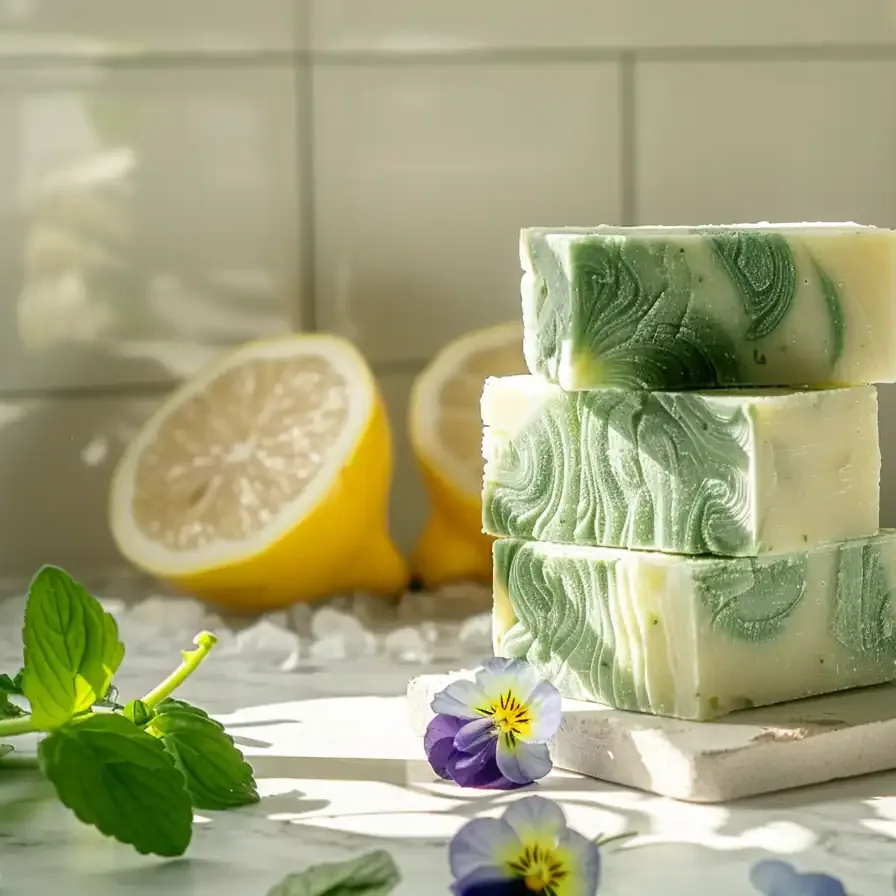
Lemon Balm Soap Recipe (Cold Process) with Healing Oils & Citrus Mint
This cold process lemon balm soap recipe is packed with skin-loving oils, natural colorants, and essential oils. It features lemon balm infused oil for soothing benefits and a refreshing lemon-mint aroma, making it ideal for gardeners, gifts, or everyday use.
By Ryan Cole
- Prep30 min
- Cook30 min
- Total1 hr
- Yield10 bars
Ingredients
Instructions
- Protect your skin, eyes, and clothing with safety gear.
- Weigh all of your ingredients precisely using a digital scale.
- Gently heat all oils (except essential oils) in a double boiler until they reach 115°F.
- In a well-ventilated area, add lye to water slowly while stirring (never the reverse). Stir until fully dissolved.
- Cool the lye-water mixture in an ice bath until it reaches 115°F.
- Ensure both oil and lye mixtures are the same temperature, then slowly pour lye into oils while blending with an immersion blender.
- Blend until the soap batter reaches light trace.
- Add essential oils, turmeric, and ½ tsp green mica powder. Blend to incorporate.
- In a separate bowl, mix remaining green mica with a few tablespoons of batter. Swirl it back into the main bowl for a marbled effect.
- Pour into a loaf-style silicone mold, cover, and insulate for 48 hours.
- Unmold and slice soap into bars. Cure on a rack in a cool, dry space for 4–6 weeks.
Notes
- Dry Herbs Only: Always use dried lemon balm to avoid spoilage in oil infusions.
- Infusion Options: You can infuse oils with calendula, lemon balm, or rosemary for different benefits.
- Essential Oil Swap: Try lime or lemongrass essential oil instead of peppermint for a different scent profile.
- Color Variations: Mica and turmeric can be adjusted for bolder or lighter hues.
- Storage Tip: Store soap bars in breathable packaging to extend shelf life.
Nutrition per 1 bar, estimate
- 0 calories
- 0 mg sodium
- 0 mg cholesterol
- 0 g sugar
- 0 g fat
- 0 g saturated fat
- 0 g unsaturated fat
- 0 g trans fat
- 0 g carbs
- 0 g fiber
- 0 g protein
Category: Herbal Skincare, Soapmaking · Method: Cold Process
For an herbal boost from the inside out, try pairing this soap with a lemon balm tea for weight loss recipe to fully embrace lemon balm’s soothing properties, both topically and internally.
Variations & Customization Options
If you’ve mastered the base cold process recipe, it’s time to make it your own. Soapmaking is equal parts science and creativity, and this is where the fun begins. Whether you're adjusting scent, swapping out oils, or opting for an easier method like melt and pour, there are endless ways to craft your best lemon balm soap recipe.
Here’s how to tailor the look, feel, and fragrance of your soap to match your needs or gift list.
Colorant Choices: Turmeric vs. Mica & Beyond
Visuals matter—especially when you’re making soap that doubles as a gift or farmer’s market standout. For a soft, golden glow, turmeric is one of the best natural options. Just a teaspoon adds warmth without overpowering the skin.
If you're aiming for a bold herbal hue, green mica powder creates that clean garden aesthetic. Both are excellent for a natural soap look, but here’s a quick comparison:
| Colorant | Type | Effect |
|---|---|---|
| Turmeric | Natural spice | Warm gold/yellow, mild exfoliation |
| Green mica | Cosmetic-grade mineral | Vibrant herbal green, shimmering texture |
Looking for more natural choices? You can also try spirulina, calendula petals, or nettle leaf powder for botanical tones that pair well with your lemon balm infused oil.
Fragrance & Essential Oil Alternatives
While lemon and peppermint oils bring brightness and clarity, you’re not limited to this blend. A few drops of lemongrass essential oil give it a bold citrus kick, while lime essential oil softens with a more mellow twist.
Want to try something different? A blend of lemon, lavender, and rosemary offers a calming, spa-like experience. For those chasing a true lemon balm scent, Melissa essential oil is an option—just note it’s potent and pricey.
For a full sensory ritual, pair your soap session with a cool lemon balm lemonade or refreshing lemon balm water recipe on warm days.
Oil Blend Tweaks & Superfat Adjustments
Every oil plays a role in your soap’s feel and lather. The base olive oil soap creates a gentle, conditioning bar. Coconut oil adds cleansing bubbles, while grapeseed and shea butter bring softness.
You can personalize the superfat percentage (the extra oil left un-saponified) to suit your skin type:
- 5% Superfat: Balanced for most skin types
- 8–10% Superfat: Better for dry or sensitive skin (gardener’s hands, winter skin)
Swapping in sunflower oil or castor oil can help create more lather or hardness. If you want to skip the complexity of lye altogether, check out the lemon balm soap recipe without lye below.
Lemon Balm Soap Recipe Without Lye (Melt & Pour Version)
New to soapmaking or short on time? Try this beginner-friendly lemon balm melt and pour soap recipe.
You’ll need:
- 1 lb glycerin or shea butter melt-and-pour base
- 2 tbsp lemon balm infused oil
- 1 tsp turmeric (optional)
- 10 drops lemon essential oil
- 5 drops lime or peppermint oil
- Silicone mold
Steps:
- Cut soap base into cubes and melt using a double boiler.
- Stir in lemon balm oil, essential oils, and colorants.
- Pour into mold and let set for 2–4 hours.
- Unmold and wrap or store in an airtight container.
Perfect for gifts or herbal beauty craft nights with kids—no safety gear needed!
Simple Lemon Balm Soap Recipe (Minimalist Version)
Want a no-fuss version of the cold process bar? Try this simple lemon balm soap recipe:
- 500 ml lemon balm infused olive oil
- 200 ml coconut oil
- 106 g lye
- 250 ml distilled water
- 15 drops lemon essential oil
- No colorants, no extras
Still delivers everything you want—mild cleansing, lemon-mint scent, and the skin-calming goodness of Melissa officinalis.
Benefits & Practical Applications
Soap can be more than just a way to get clean. When it’s made with lemon balm infused oil and pure botanicals, it becomes a full-body reset—a moment of calm in the chaos. Whether you’re washing garden soil from your hands or winding down after a long workday, this moisturizing soap delivers benefits far beyond its bar.
From antioxidant-rich skincare to everyday cleansing rituals, here's why this lemon balm soap recipe deserves a permanent place in your routine.
Skin Benefits of Lemon Balm Soap
The secret sauce of this soap is Melissa officinalis, better known as lemon balm. Rich in rosmarinic acid, this herb has been studied for its antiviral, antioxidant, and anti-inflammatory properties. According to a scientific study on PubMed, lemon balm extract not only helps protect against UVB damage but also encourages melanogenesis, supporting overall skin resilience and tone.
Combined with skin-loving oils like olive, shea butter, and grapeseed, this soap becomes a gentle solution for:
- Dry, chapped, or overworked hands
- Sensitive skin or post-sun exposure
- Calming acne-prone or inflamed areas
For those following a holistic skincare routine, this soap pairs beautifully with lemon balm teas and internal wellness practices. Curious about supporting skin from the inside out? Try our lemon balm recipe for wellness and weight support or enjoy a nightly cup of lemon balm tea to calm the body and mind.
This dual approach—herbally inside and out—makes for what one might call the best lemon balm soap recipe in both form and function.
Best Use Scenarios for Herbal Lemon Balm Soap
In the Kitchen
Use it by the sink for washing up after slicing onions, garlic, or prepping fish. The bright lemon-mint fragrance cuts through kitchen odors without overpowering.
In the Potting Shed
After a day in the soil, your hands will thank you. The soap is soft enough for frequent use and gentle enough to soothe skin that’s taken a beating.
As a Gift
Wrapped in parchment with a sprig of dried lemon balm, these bars make charming hostess gifts, holiday presents, or even a thoughtful touch for houseguests.
As Part of a Self-Care Ritual
Run a warm bath, grab a cup of lemon balm lemonade, and lather up. You’ve earned this.
Need a total refresh after travel or illness? Include this soap in a wellness box alongside lemon balm syrup for immunity and a lemon balm tincture to nurture your body naturally.
Want even more depth? A study from ScienceDirect confirms lemon balm’s skin-protective actions, noting its role in reducing UV-related oxidative stress and enhancing skin brightness.
The benefits aren’t just anecdotal—they’re scientifically supported and deeply rooted in traditional herbal wisdom.
Preservation, Infusion & Herbal Context
Behind every good lemon balm soap recipe is a thriving herb garden, a mason jar of golden oil, and the joy of creating something from scratch that’s both useful and beautiful. This section is for the home herbalist, the kitchen crafter, and anyone wondering how to go from plant to product.
Let’s talk about making lemon balm infused oil, harvesting fresh herbs at their peak, and storing your creations with confidence.
Making Lemon Balm Infused Oil
There are two common ways to make lemon balm infused oil—cold infusion and heat infusion. Both work beautifully for soapmaking, salves, and even lemon balm salve recipes if you're exploring skin balms.
| Infusion Method | Time Required | Ideal For | Instructions |
|---|---|---|---|
| Cold Infusion | 4–6 weeks | Long shelf life, no heat damage | Fill a jar with dried lemon balm and cover with carrier oil. Let sit in a cool, dark place. Shake daily. |
| Heat Infusion | 2–4 hours | Quick results | Gently warm oil and herbs over low heat (double boiler). Keep temp under 120°F to avoid oxidation. |
Use light, skin-loving oils like olive oil, grapeseed oil, or sunflower oil—each has different textures and benefits. Learn more about pairing oil types in our lemon balm essential oil recipe.
Pro Tip: Always use dried herbs for oil infusions. Fresh leaves contain water, which can lead to spoilage or mold in your infusion.
Harvesting & Preparing Lemon Balm
Timing is everything when it comes to harvesting Melissa officinalis. For the most aromatic oils and skincare benefits:
- Best time to harvest: Just before flowering, early morning, when the plant’s oils are at peak potency.
- Fresh vs. dried: Dry lemon balm in a shaded, well-ventilated spot to preserve its volatile oils. Avoid sunlight—it bleaches both color and potency.
- Washing: If harvesting from the garden, rinse lightly and dry completely before use.
While you’re harvesting, why not make a batch of lemon balm pesto or chill out with a pitcher of lemon balm water?
One plant. Infinite uses.
Storage & Shelf-Life Tips
Making soap is just one part of the journey. Knowing how to store it ensures you get the most out of your efforts.
For infused oils:
- Store in amber glass bottles in a cool, dark place.
- Label with date and base oil used.
- Shelf life: ~6–12 months depending on oil used (olive oil lasts longer than grapeseed).
For cold process soap:
- Cure bars on a wire rack for 4–6 weeks.
- Rotate weekly to ensure even drying.
- Store finished bars in breathable paper or boxes to avoid moisture buildup.
- Shelf life: ~1 year. Avoid high humidity and direct sunlight.
If gifting, wrap in waxed paper with kraft tags, or reuse natural materials like fabric scraps for rustic presentation. A soap bar paired with lemon balm syrup makes a thoughtful, herbal-themed gift set.
Frequently Asked Questions
Can you use lemon balm in soap?
Yes, you’ll make a lemon balm water infusion and oil infusion so your soap is full of this healing herb. Studies show it helps calm nerves and can be as effective as pricey creams for cold sores—making it a powerful, affordable addition to herbal soap.
What should you not mix with lemon balm?
Avoid mixing lemon balm with sedative herbs or medications unless advised by a professional, especially when using concentrated forms like tinctures or essential oils.
What is the best carrier oil for lemon balm?
Olive oil is ideal—it’s stable, nourishing, and enhances the herb’s skin benefits. It’s the base in our core lemon balm soap recipe and our favorite for long infusions.
What essential oils should not be used in soap?
Avoid skin-irritating or phototoxic oils like cinnamon, clove, and cold-pressed bergamot. Stick with gentle oils like lemongrass, lime, or peppermint for safety and scent.
Conclusion
If you’ve ever craved a skincare ritual that starts in your garden and ends in your palm, this lemon balm soap recipe is your invitation. You don’t need fancy tools or rare ingredients—just infused oils, a touch of creativity, and the willingness to try.
Soap like this isn’t just handmade—it’s heart-made. It soothes your skin, clears your head, and fills your home with that bright lemon‑mint fragrance that quietly says, “You’re doing enough.”
Whether you're slicing up bars for gifts or tucking them onto your own bathroom shelf, every batch is a small act of care—one that nourishes from the outside in.
So go ahead—heat up that oil, pick those herbs, and pour a little bit of peace into a mold. You’re not just making natural soap, you're reclaiming joy, one homemade bar at a time.